


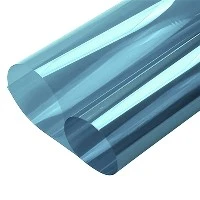

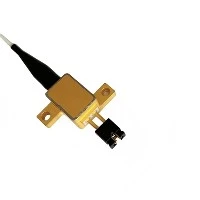
In the ever-evolving world of industrial technology, laser devices have become indispensable tools in various sectors ranging from manufacturing to healthcare. However, the powerful capabilities of lasers come with significant risks, particularly concerning eye and skin safety for operators. To address these concerns, advanced protective measures are paramount. One such measure is the implementation of laser protection screens made from PMMA (polymethyl methacrylate) sheets, which comply with stringent safety standards like CE EN12254. This news delves into the significance of these customizable laser safety screens, focusing on their design, application, and compliance aspects.
The Importance of Laser Safety
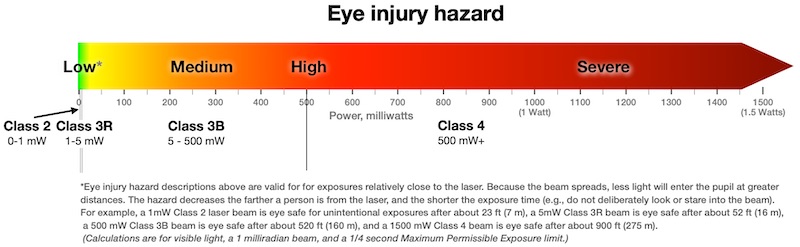
Before exploring the specifics of PMMA laser protection sheets, it is crucial to understand the importance of laser safety. Laser radiation can cause severe damage to human tissue, leading to burns, eye injuries, or even permanent vision loss. According to international safety standards, appropriate measures must be taken to shield workers from accidental laser exposure, especially at wavelengths commonly used in industrial applications such as 1064nm.
Understanding PMMA and Its Suitability for Laser Protection
Polymethyl methacrylate, commonly known as acrylic glass, is a transparent thermoplastic material widely recognized for its exceptional optical clarity and mechanical resilience. These properties make PMMA an ideal candidate for manufacturing laser protection screens. When compared to other materials, PMMA offers better resistance against impact and abrasion while maintaining excellent transparency, which is essential for visibility during operations.
Compliance with CE EN12254 Standards
To ensure that laser protection equipment meets the highest safety standards, adherence to regulations like CE EN12254 is imperative. This European standard specifies performance requirements and testing procedures for laser protective eyewear and screens. Products compliant with this standard have undergone rigorous assessment to verify their efficacy in attenuating laser radiation without causing harmful reflections or scattering.
Customization Options for Enhanced Safety
One of the standout features of PMMA laser protection sheets is their ability to be customized according to specific workplace requirements. Whether it's adjusting the size, shape, thickness, or surface coatings, customization allows for tailored solutions that optimize safety and functionality.
Size and Shape Adaptation: Depending on the layout of the workspace and the type of laser equipment used, laser protection screens can be fabricated into different dimensions and forms. This ensures maximum coverage while minimizing obstruction to workflow.
Thickness Variations: While a standard thickness might be sufficient for certain applications, others may require thicker sheets for enhanced radiation absorption. A 5mm thickness is commonly chosen for its balance of durability and effectiveness against 1064nm lasers.
Surface Treatments: To further enhance safety, PMMA sheets can be treated with anti-reflective coatings or frosted finishes. These treatments reduce glare and diffuse transmitted light, preventing potential secondary hazards caused by reflected laser beams.

Applications Across Industries
Laser safety screens made from PMMA sheets have found applications across diverse industries where laser technology is employed. Here are some examples:
Manufacturing: In settings involving laser cutting and engraving, custom screens protect operators from direct exposure and stray reflections, ensuring safe operation.
Healthcare: For medical procedures utilizing lasers, such as dermatology or ophthalmology, tailored screens safeguard both patients and medical staff.
Scientific Research: Laboratories conducting experiments with high-power lasers rely on customized screens to create safe working environments for researchers.
Education and Training: Institutions teaching laser handling skills use protective screens to demonstrate safe practices while minimizing risk to students and instructors.

Installation and Maintenance Considerations
Proper installation of laser protection screens is crucial for ensuring their effectiveness. They should be strategically placed around laser workstations, ensuring that all possible angles of exposure are covered. Furthermore, regular maintenance checks are necessary to confirm that the screens remain intact and effective over time. Any signs of wear or damage should prompt immediate replacement to maintain optimal safety.

Conclusion
As laser technologies continue to advance, so too must our strategies for ensuring the safety of those who work with them. The use of customizable CE EN12254 compliant 1064nm PMMA laser protection sheets exemplifies how thoughtful design and engineering can mitigate risks associated with laser exposure. By prioritizing safety through innovation and adherence to regulatory standards, we can foster a secure environment for the continued growth and integration of laser technologies across industries.