


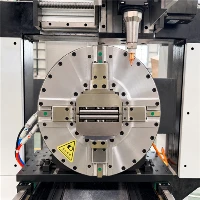
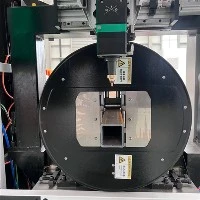
Laser Engraving/Cutting Machines use high-energy laser beams to process materials, and are characterized by high precision, high speed and high efficiency. However, the loss of equipment not only affects production efficiency, but also increases costs. Therefore, it is particularly important to reduce the loss of laser engraving/cutting machines.

Optimize the operating procedures
1. Correctly set laser parameters
Power adjustment: According to the characteristics and processing requirements of different materials, reasonably adjust the laser power. Excessive power may cause excessive burning of the material, while too low power will result in incomplete processing.
Focal adjustment: Ensure that the laser beam is focused in the correct position to ensure the best processing effect. Improper focal length will affect the spot size and energy density, thereby affecting the processing quality.
Speed and spot size matching: Adjust the moving speed of the laser head to match the spot size to ensure processing quality and efficiency.
2. Material fixation and positioning accuracy
Use appropriate fixtures: Select fixtures suitable for the material to ensure that the material remains stable during processing. Inappropriate fixtures may cause the material to move or deform, affecting the processing accuracy.
Improve the consistency of material positioning: through precise positioning system and repeatability test, ensure the consistent position of each processing, and reduce the rework and waste caused by positioning error.
3. Preheating and cooling process
The importance of equipment preheating: Preheating the equipment before starting processing can ensure the stable operation of the laser and avoid processing quality problems caused by temperature changes.
Reasonable planning of cooling time and method: After the processing is completed, arrange the cooling time reasonably to prevent the material from cracking or deforming due to excessive temperature difference. At the same time, choose a suitable cooling method, such as natural cooling or auxiliary cooling, to protect the material and equipment.

Regular maintenance and cleaning
1. Maintenance of optical components
Lens cleaning tips: Use professional lens paper and cleaning agent to gently wipe the lens surface to avoid scratches.
Reflector and lens inspection and replacement cycle: Check the status of the reflector and lens once a month, and replace them in time if damage or contamination is found.
2. Machine cleaning and maintenance
Remove waste and residue: After work every day, thoroughly clean the waste and residue in the work area to keep the environment clean.
Lubrication of guide rails and transmission parts: Lubricate the guide rails and transmission parts regularly to reduce wear and ensure smooth movement.
3. Software update and hardware inspection
Software upgrade of control system: Regularly check and upgrade the software of the control system to ensure that the equipment runs the latest functions and security patches.
Routine inspection of electrical connections and sensors: Perform functional inspection of electrical connections and sensors once a week to ensure that all connections are stable and reliable and that the sensors are accurate.

Improve the performance of auxiliary systems
1. Improve the efficiency of the cooling system
Regularly monitor the quality of cooling water to ensure that it is free of impurities and pollutants. Regularly replace cooling water to prevent scale accumulation from affecting the heat dissipation effect.
2. Regular maintenance of the cooling system
Develop a regular inspection and maintenance plan for the cooling system, including cleaning and repair of water pumps, pipes and radiators. Replace aging or damaged parts in time to ensure stable operation of the cooling system.
3. Optimize exhaust and dust removal facilities
Install an efficient exhaust system to ensure that the smoke and harmful gases generated during the processing can be quickly discharged from the workshop. Clean or replace filters regularly to keep the exhaust system unobstructed and efficient.
4. Improve air quality
Install air purification equipment in the workshop to filter dust and harmful substances in the air. Regularly test air quality to ensure that the working environment meets health and safety standards.

Employee training and operating specifications
1. Enhance operator skills training
Organize regular technical training courses: Organize regular training courses covering the operation, maintenance and safety knowledge of laser engraving/cutting machines. Invite equipment manufacturers or professional lecturers to give lectures to ensure that employees master the latest technology and maintenance methods.
Provide online tutorials and operation manuals: Develop online tutorials and detailed operation manuals for employees to access and learn at any time. Through video demonstrations and graphic descriptions, help employees better understand the operation process and precautions.
2. Establish strict operating standards and processes
Clear operating procedures and reduce human errors: Develop detailed operating procedures and standards to ensure that each step has clear guidance. Through standardized operations, reduce human errors and improve processing accuracy and consistency.
Implement quality control and supervision mechanisms: Establish a quality control system to monitor and record the processing process in real time. Conduct quality inspections and evaluations regularly, and correct problems in a timely manner. At the same time, establish a supervision mechanism to ensure that the operating procedures are strictly implemented.
Use high-quality consumables and accessories
1. Select engraving materials that meet the standards
Material suitability assessment: When selecting engraving materials, a detailed suitability assessment should be conducted. Consider material properties such as hardness, thermal stability, and laser absorptivity to ensure that the selected material is suitable for laser processing and can produce high-quality processing results.
Choice of long-term partners: Establish a long-term cooperative relationship with a reputable material supplier. Through cooperation, the quality of materials and the stability of supply can be ensured, and more favorable prices and services may be obtained.
2. Replace with original or certified accessories
Ensure accessory compatibility and quality: When replacing accessories for laser engraving/cutting machines, give priority to original accessories or certified third-party accessories. This ensures perfect compatibility between accessories and equipment, avoiding the impact of equipment performance and life due to mismatched accessories.
Maintain replacement records and analyze data to optimize selection: Establish a detailed maintenance and replacement record system to record the type, time, and reason of each replacement of accessories. Analyze this data regularly to identify common problems and optimize future accessory selection, thereby improving the overall efficiency and reliability of the equipment.

In summary, in order to effectively reduce the loss of laser engraving/cutting machines and extend their service life, it is essential to take appropriate maintenance measures. First of all, regular cleaning of the laser head and lens is the basis to ensure that there is no dust or stains that interfere with the quality of the laser beam. Secondly, adjust the laser power according to different materials and thicknesses, and avoid too high or too low power settings to protect the equipment from unnecessary stress. In addition, regular inspection and replacement of consumable parts such as lenses and reflectors can prevent performance degradation due to aging or damage of components. Finally, following the manufacturer's operating guidelines and maintenance plans, and conducting regular professional inspections and maintenance will help keep the equipment in optimal working condition and reduce long-term operating costs. Through these comprehensive measures, not only can the efficiency and accuracy of the laser engraving/cutting machine be improved, but the loss rate of the equipment can also be significantly reduced, ensuring a smooth production process and maximizing economic benefits.
Contact information:
If you have any ideas, feel free to talk to us. No matter where our customers are and what our requirements are, we will follow our goal to provide our customers with high quality, low prices, and the best service.
 Email:info@loshield.com
 Tel:0086-18092277517
 Fax: 86-29-81323155
 Wechat:0086-18092277517


