


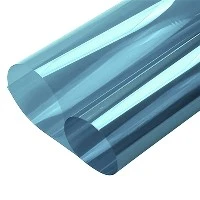

UV laser safety windows are highly effective at blocking harmful UV rays. They are engineered to provide a high level of protection against ultraviolet (UV) radiation, which is essential in environments where lasers emitting UV wavelengths are used. The effectiveness of these windows is determined by several factors including the type of material used, the thickness of the window, and the specific wavelengths of UV light that need to be blocked.
Materials Used in UV Laser Safety Windows
The materials used in UV laser safety windows play a critical role in their effectiveness. Quartz glass and special plastics are commonly used due to their ability to absorb or reflect UV light. These materials are often treated with multiple layers of thin films that serve as filters to block UV radiation. Some windows also incorporate chemical treatments that enhance their UV-blocking capabilities.
Thickness and Layering
The thickness and layering of the window contribute to its overall effectiveness. Thicker windows can provide more robust protection against UV rays, but they may also reduce transparency to visible light. Layering involves applying multiple thin films of varying materials to create a sandwiched effect, which can significantly increase the window's ability to block UV light without compromising visibility.


Wavelength Specificity
UV laser safety windows are designed to be effective against specific wavelengths of UV light. The three main categories of UV light are UVA (315-400 nm), UVB (280-315 nm), and UVC (100-280 nm). Depending on the type of laser used, the window will be tailored to provide optimal protection against the relevant wavelengths. For example, a laser emitting in the UVC range would require a window that blocks all UVC wavelengths effectively.
Optical Density (OD)
The optical density of a UV laser safety window is a measure of how much light it can block. An OD rating indicates the logarithmic reduction in laser intensity; for instance, an OD3 rating blocks 99.9% of the light, while an OD4 rating blocks 99.99%. Higher OD ratings mean greater protection against UV light, making these windows suitable for use with high-power lasers.
Regulatory Standards
UV laser safety windows must meet stringent regulatory standards set by organizations such as ANSI and IEC. These standards specify the minimum requirements for UV protection, ensuring that the windows are capable of effectively blocking harmful UV rays. Compliance with these standards is crucial for the safety of individuals working with lasers.

Applications
The effectiveness of UV laser safety windows is particularly important in applications such as medical procedures, laser cutting and engraving, scientific research, and industrial manufacturing. In these settings, the use of lasers that emit UV radiation poses a significant risk to both personnel and equipment. The windows prevent accidental exposure and ensure that laser operations can be conducted safely.
Maintenance and Durability
To maintain their effectiveness, UV laser safety windows require regular cleaning and inspection for damage. Scratches or other forms of physical harm can reduce the window's ability to block UV light. Proper maintenance ensures that the window continues to provide reliable protection over its lifespan.
Real-World Examples
In practice, the effectiveness of UV laser safety windows has been demonstrated through various case studies. For instance, in a medical setting where a UV laser is used for skin treatments, a specialized window would be installed to protect both patients and medical staff from harmful radiation. Similarly, during laser cutting operations, these windows prevent workers from being exposed to potentially damaging UV light while allowing them to monitor the process.
Future Developments
Ongoing research and development in the field of laser safety is aimed at improving the effectiveness of UV laser safety windows. This includes the creation of new materials and technologies that can block increasingly specific wavelengths of UV light, as well as advancements in window design that enhance durability and longevity without sacrificing transparency.
In conclusion, UV laser safety windows are highly effective at blocking harmful UV rays due to their specialized materials, precise engineering, and adherence to strict regulatory standards. They play a crucial role in protecting individuals and equipment in environments where lasers emitting UV wavelengths are used. With ongoing innovations in laser safety technology, the effectiveness of these windows is expected to continue improving, ensuring safer working conditions for people interacting with lasers across various industries.