



Laser radiation, short for "Light Amplification by Stimulated Emission of Radiation," is a highly focused and coherent form of electromagnetic radiation. Lasers are widely used in various fields, including medicine, industry, communication, entertainment, and military applications. However, due to their concentrated energy and specific wavelengths, laser radiation can have significant effects on the human body-both beneficial and harmful. This article explores how laser radiation interacts with the human body, focusing on its biological effects, safety considerations, medical uses, and potential hazards.
1. Understanding Laser Radiation
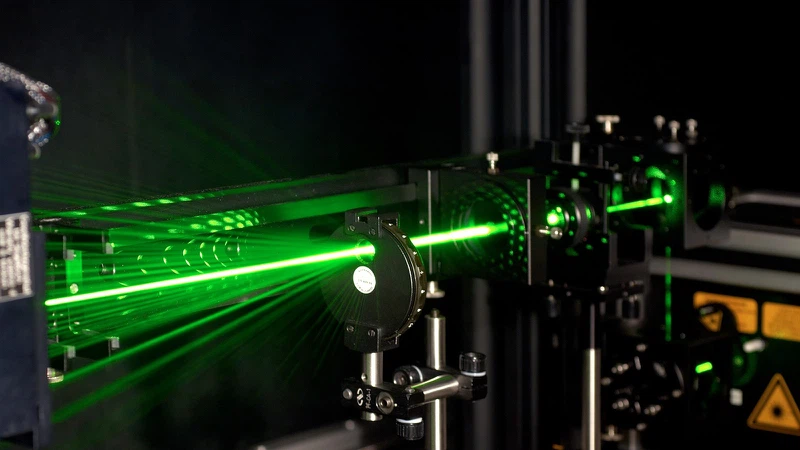
Before examining its effects on the human body, it's essential to understand what laser radiation is. Unlike ordinary light sources that emit diffuse and multi-directional light, lasers produce a narrow beam of light with high intensity, coherence, and monochromatic properties. The wavelength of laser light determines its color (in visible spectrum) and penetration depth into tissues. Lasers are classified based on their power output and potential for causing harm, ranging from Class I (harmless under all conditions of normal use) to Class IV (highly dangerous and capable of causing severe burns and eye injuries).
The primary ways laser radiation affects the human body are through thermal effects, photochemical effects, and mechanical effects:
Thermal Effects: When laser energy is absorbed by tissues, it is converted into heat, potentially causing burns or tissue damage.
Photochemical Effects: Certain wavelengths, particularly in the ultraviolet and visible spectrum, can induce chemical changes in tissues, such as DNA damage or pigment alteration.
Mechanical Effects: High-intensity lasers can generate shockwaves or pressure changes that may lead to physical trauma, especially in ocular tissues.
2. Effects of Laser Radiation on the Eyes
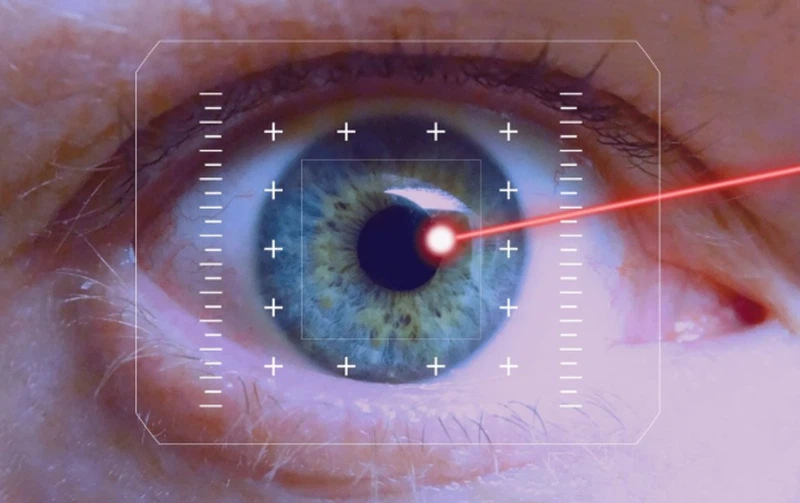
The eyes are among the most vulnerable organs to laser exposure due to their transparency and focusing ability. Even low-power lasers can cause permanent damage if viewed directly or reflected off shiny surfaces.
2.1 Retinal Damage
The retina, located at the back of the eye, contains photoreceptor cells responsible for vision. Because the lens focuses laser light onto the retina, even a small amount of energy can cause localized heating and coagulation of retinal tissue. This results in scotoma (blind spots), reduced visual acuity, or even blindness. Red and near-infrared lasers (600–900 nm) pose the greatest risk because they penetrate deeply and are not perceived as bright, leading individuals to stare longer without realizing the danger.
2.2 Corneal and Lens Damage
Lasers in the ultraviolet range (below 400 nm) and far-infrared range (above 1400 nm) are mostly absorbed by the cornea and lens. Prolonged exposure can lead to corneal burns, cataracts, and photokeratitis (inflammation of the cornea similar to sunburn). These injuries may be painful and impair vision temporarily or permanently.
2.3 Flash Blindness and Visual Disturbance
Even non-damaging laser exposure, such as from handheld laser pointers, can cause temporary flash blindness, glare, or afterimages. This poses a serious hazard in aviation, where pilots may experience disorientation during critical phases of flight due to laser interference.
3. Effects of Laser Radiation on the Skin
Laser radiation can also affect the skin, depending on the wavelength, power, duration of exposure, and pigmentation of the skin.
3.1 Thermal Burns
High-power lasers, especially those in the infrared range (e.g., CO₂ lasers), are readily absorbed by water in the skin, causing rapid heating and vaporization of tissue. This can result in first-, second-, or third-degree burns, depending on the severity. Industrial lasers used for cutting or welding materials often operate at these power levels and require strict safety protocols to prevent accidental exposure.
3.2 Photochemical Reactions
Ultraviolet lasers (such as excimer lasers) can cause sunburn-like effects and increase the risk of skin cancer by damaging DNA in skin cells. Long-term exposure to UV-A (315–400 nm) has been associated with premature aging and melanoma development.
3.3 Pigmentation Changes
Certain lasers, especially those used in dermatology (e.g., Q-switched Nd:YAG lasers), target melanin in the skin. While this property is exploited for removing tattoos or treating pigmented lesions, improper use can lead to hypopigmentation (loss of skin color) or hyperpigmentation (darkening of the skin).
4. Medical Applications of Laser Radiation
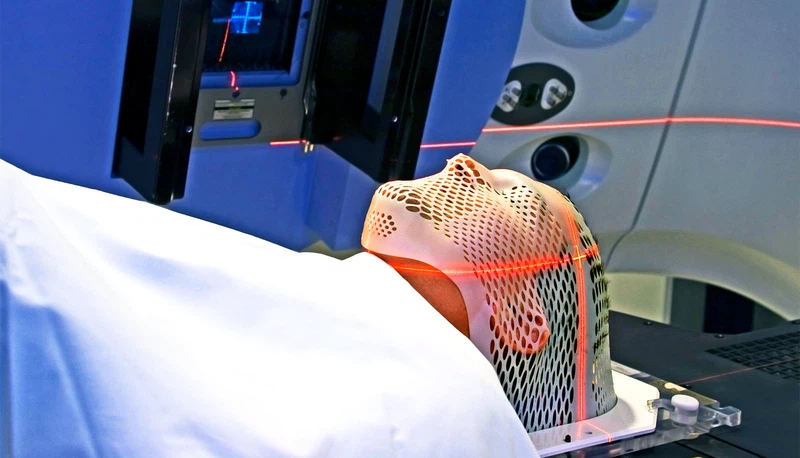
Despite the risks, laser technology has revolutionized modern medicine. Carefullyprotec controlled laser exposure offers precise, minimally invasive treatments for a wide range of conditions.
4.1 Ophthalmology
Lasers are extensively used in eye surgery:
Photocoagulation: Used to seal leaking blood vessels in diabetic retinopathy or macular degeneration.
LASIK Surgery: Corrects refractive errors like myopia, hyperopia, and astigmatism by reshaping the cornea.
Glaucoma Treatment: Opens blocked drainage channels in the eye using laser iridotomy.
4.2 Dermatology
Lasers play a crucial role in skin care and cosmetic procedures:
Tattoo Removal: Short-pulsed lasers break down tattoo ink particles, which are then removed by the immune system.
Vascular Lesions: Targets hemoglobin in blood vessels to treat port-wine stains and spider veins.
Skin Resurfacing: Removes damaged outer layers of skin to reduce wrinkles, scars, and uneven texture.
4.3 Oncology
Laser therapy is employed in cancer treatment:
Photodynamic Therapy (PDT): Combines laser light with photosensitive drugs to destroy cancer cells in skin, esophageal, and lung cancers.
Minimally Invasive Surgery: Lasers allow for precise cutting and cauterization during tumor removal.
4.4 Dentistry
Dental lasers are used for:
Removing decayed tissue
Treating gum disease
Whitening teeth
Performing biopsies
These applications benefit from lasers' precision and ability to minimize bleeding and promote faster healing.
5. Occupational and Environmental Hazards
Workers in industries involving laser technology face significant exposure risks. Proper safety measures are essential to protect personnel from injury.
5.1 Industrial Settings
In manufacturing, lasers are used for cutting, engraving, welding, and drilling. Workers must wear appropriate protective eyewear and follow strict safety protocols, including enclosures, interlocks, and warning signs.
5.2 Research and Development
Laboratories using high-powered lasers for scientific research must implement engineering controls, administrative safeguards, and personal protective equipment (PPE). Training programs are crucial for ensuring safe handling.
5.3 Public Exposure
Incidents involving unauthorized use of high-powered lasers, such as aiming them at aircraft or people, have raised public safety concerns. Many countries regulate the sale and use of laser pointers to prevent misuse.
6. Safety Standards and Regulations
To mitigate the risks associated with laser radiation, international standards and guidelines have been established.
6.1 Classification of Lasers
Lasers are categorized into classes based on their power and potential to cause harm:
Class I: Safe under all conditions; no hazard.
Class II: Low power; safe for brief exposure (<0.25 seconds).
Class IIIa/IIIb: Medium power; hazardous upon direct viewing or reflections.
Class IV: High power; hazardous to eyes and skin; can cause fires.
6.2 Protective Measures
Key safety practices include:
Using appropriate protective eyewear matched to the laser's wavelength and power.
Installing barriers and enclosures to prevent stray beams.
Ensuring proper ventilation to remove toxic fumes generated during laser operation.
Providing training and signage in laser-controlled areas.
Following ANSI Z136 and IEC 60825 standards for safe use.

7. Emerging Technologies and Future Directions
As laser technology continues to evolve, new applications and challenges emerge.
7.1 Ultrafast Lasers
Femtosecond and picosecond lasers offer ultra-precise cutting and minimal thermal damage, expanding their use in surgery and microfabrication.
7.2 Quantum Cascade Lasers
Used in mid-infrared spectroscopy, these lasers show promise in detecting biomarkers for diseases and environmental monitoring.
7.3 Wearable and Portable Lasers
Advancements in miniaturization are enabling portable laser devices for home healthcare and consumer electronics, raising new safety questions regarding widespread use.
8. Conclusion
Laser radiation has profound and multifaceted effects on the human body. Its interaction with biological tissues depends on factors such as wavelength, power, exposure duration, and the anatomical structure involved. While laser technology offers immense benefits in medicine, industry, and communications, it also presents real dangers when misused or improperly managed. Therefore, understanding both the therapeutic and hazardous aspects of laser radiation is crucial for maximizing its benefits while minimizing risks. Through rigorous safety standards, education, and responsible innovation, society can continue to harness the power of lasers safely and effectively.