




Laser cutters have revolutionized the manufacturing industry with their precision and efficiency. However, these powerful tools also come with significant safety risks if not handled properly. This news aims to provide a comprehensive guide on laser safety, detailing the parameters of laser equipment, important precautions, necessary protective gear, and how to choose the right products for your needs.
Understanding Laser Equipment Parameters
Before delving into safety measures, it's crucial to understand the basic parameters of laser equipment. Lasers are classified by their power output, wavelength, and operation mode. The power output, typically measured in watts (W), determines the laser's strength. Wavelength, usually in nanometers (nm), defines the color of the light and can affect how the laser interacts with different materials. Operation modes can be continuous wave (CW) or pulsed, affecting how the laser delivers its energy.

Precautions When Using Laser Cutters
1. Authorization and Training: Only authorized personnel who have received proper training should operate laser cutters. Understanding the device's operation principles and potential hazards is essential.
2. Interlocks and Protective Barriers: Ensure that all safety interlocks are functioning correctly and that protective barriers are in place to prevent accidental exposure to laser beams.
3. Beam Path Clearance: Keep the laser path clear of any obstructions and ensure that reflective surfaces are not present within the beam's path.
4. Signage and Warnings: Proper signage should be displayed around the laser cutting area to warn of potential dangers.
5. Laser Classification: Be aware of the specific class of the laser (Class 1, 2, 3A, 3B, 4) and adhere to the safety measures associated with each class.
6. Maintenance and Inspection: Regularly inspect and maintain the laser cutter to ensure it is in good working condition.
7. Laser Safety Officer (LSO): For higher-powered laser systems, appoint a Laser Safety Officer to oversee safety protocols and procedures.
Required Protective Products

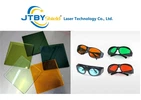
1. Laser Goggles: Choose goggles that offer protection against the specific wavelength of your laser cutter. They should have an appropriate optical density (OD) rating to safeguard your eyes from both direct and reflected beams.
2. Fire Resistant Clothing: Wear fire-resistant clothing made from materials like cotton or wool blends to reduce the risk of burn injuries.
3. Gloves: Use gloves to protect hands from hot metal shavings and accidental contact with the laser beam.
4. Hearing Protection: In noisy environments, use hearing protection to avoid long-term hearing damage.
Selecting the Right Protective Gear
1. Compliance: Ensure that the protective gear complies with international standards such as ANSI, IEC, and OSHA.
2. Certification: Look for gear that has been tested and certified by a reliable third party.
3. Usability: Choose gear that is comfortable and easy to use, ensuring it does not hinder job performance.
4. User Reviews: Consider user feedback when selecting protective gear to gain insight into the product's effectiveness and usability.
5. Customization: If possible, opt for customized gear that fits the unique requirements of your work environment and laser equipment.
Conclusion
Working safely around a laser cutter is paramount to protecting your health and ensuring a safe working environment. By understanding your laser equipment's parameters, adhering to necessary precautions, and using the correct protective gear, you can minimize the risks associated with operating these powerful machines. Remember, investing in quality safety products is a small price to pay for the security and well-being of yourself and your team. Stay safe, stay informed, and always prioritize laser safety in your workplace.