


Understanding Safe Limits and Exposure Risks
Radiation is a fundamental part of our natural environment, originating from the sun, the earth, and even the food we eat. However, when we talk about the health impacts of radiation, we are specifically referring to ionizing radiation-high-energy waves or particles capable of damaging DNA and living cells. The health effects of this radiation are not uniform; they are strictly dictated by the dose received. Understanding the relationship between radiation dose and biological response is the foundation of modern radiation safety.
1. The Two Types of Biological Effects
Modern science categorizes radiation health effects into two distinct types based on how they occur:
Deterministic Effects (Tissue Reactions): These effects have a clear threshold dose. Below this threshold, the effect does not occur. Above it, the severity of the damage increases with the dose. Examples include skin burns, hair loss, cataracts, and Acute Radiation Syndrome (ARS). These typically result from high-dose exposures over a short period.
Stochastic Effects: These are probabilistic effects with no safe threshold. Even the smallest dose carries a theoretical risk, though the probability is extremely low. The severity of the effect is independent of the dose, but the probability of occurrence increases as the dose increases. The primary stochastic effects are cancer and genetic mutations.

2. Health Effects by Dose Level
The impact of ionizing radiation on the human body scales dramatically with the absorbed dose, typically measured in millisieverts (mSv) or sieverts (Sv):
Low Dose (< 100 mSv): At this level, the body's natural cellular repair mechanisms are highly effective. There are no immediate, observable symptoms. While there is a theoretical, extremely small increase in the long-term risk of cancer, the risk is often considered negligible compared to everyday hazards. A standard chest CT scan delivers about 7-10 mSv, which falls safely into this category.
Moderate Dose (100 – 1,000 mSv): At doses above 100 mSv, the risk of stochastic effects (cancer) becomes statistically measurable. Physically, a person may experience mild, temporary drops in white blood cell counts, but they will not feel sick or show acute symptoms.
High Dose (1,000 – 4,000 mSv / 1 - 4 Sv): This is the threshold for Acute Radiation Syndrome (ARS). Symptoms appear within hours or days and include severe nausea, vomiting, fatigue, and a dangerous drop in blood cells due to bone marrow damage. With prompt medical treatment, survival is highly likely at the lower end of this range.
Lethal Dose (> 4,000 mSv / 4 Sv): Doses exceeding 4 Sv cause severe, often irreversible damage to the gastrointestinal tract and cardiovascular system. Without advanced, specialized medical intervention, this level of exposure is frequently fatal. Doses above 8 Sv are generally considered unsurvivable.
3. Safe Limits and Regulatory Standards
To protect both the public and radiation workers, international bodies like the ICRP (International Commission on Radiological Protection) have established strict dose limits:
For the General Public: The recommended limit for artificial radiation exposure is 1 mSv per year (excluding natural background radiation and medical procedures).
For Radiation Workers: Because they are trained, monitored, and work in controlled environments, occupational limits are higher. The standard limit is an average of 20 mSv per year over five consecutive years, with no single year exceeding 50 mSv.

4. The Core Principle: ALARA
Radiation safety is governed by the ALARA principle: As Low As Reasonably Achievable. This means that even if a dose is well below the legal safety limits, facilities must continuously optimize their practices to minimize exposure. This is achieved through three key pillars:
Time: Minimizing the duration of exposure.
Distance: Maximizing the space between the person and the radiation source (intensity drops exponentially with distance).
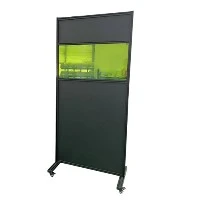
Shielding: Using appropriate barriers, such as lead aprons or concrete walls, to absorb radiation.
Conclusion
Radiation is a powerful tool in medicine and industry, and its risks are highly manageable when understood through the lens of dose. While high doses pose immediate and severe health threats, the low doses encountered in daily life and routine medical imaging are carefully regulated and overwhelmingly safe. By adhering to established safety limits and the ALARA principle, we can harness the benefits of radiation while effectively protecting human health.