



A laser cutter is a machine that uses a high-intensity laser beam to cut or engrave materials like metal, wood, plastic, and fabric. The laser generates heat to melt, vaporize, or burn through the material, creating precise edges. It's widely used in manufacturing, design, education, and DIY projects.
Laser cutting works by focusing a laser beam through a lens or mirror system to a small point, generating intense heat (up to 20,000°C). This heat melts or burns the material along a programmed path. While highly efficient, laser cutters pose significant risks if safety protocols are not followed.
Understanding how these machines work and their potential hazards is the first step toward safe operation. Below, we'll break down the basics of laser cutters, the key safety concerns they involve, and practical steps to protect yourself and others during use.
Key Laser Parameters and Common Equipment
1. Laser Wavelengths
Laser cutters operate at specific wavelengths, which determine their compatibility with materials and their safety profile.
CO₂ lasers (10.6 micrometers): Most common for cutting non-metallic materials (e.g., wood, acrylic, fabric). These lasers are widely used due to their versatility.
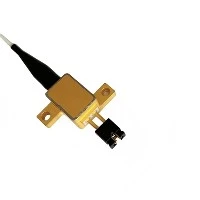
Fiber lasers (1.06 micrometers): Used for metals (e.g., steel, aluminum). They offer high precision and efficiency for industrial applications.
2. Typical Power Ranges
The power of a laser cutter directly impacts its cutting speed and depth:
Low-power: 1–5 kW (for small workshops or hobbyists). Ideal for thin materials and lightweight projects.
Industrial-grade: 10–100+ kW (for heavy-duty applications like automotive or aerospace). These machines handle thick metals and large-scale production.
3. Common Laser Cutting Equipment
Different types of laser cutters are designed for specific tasks:
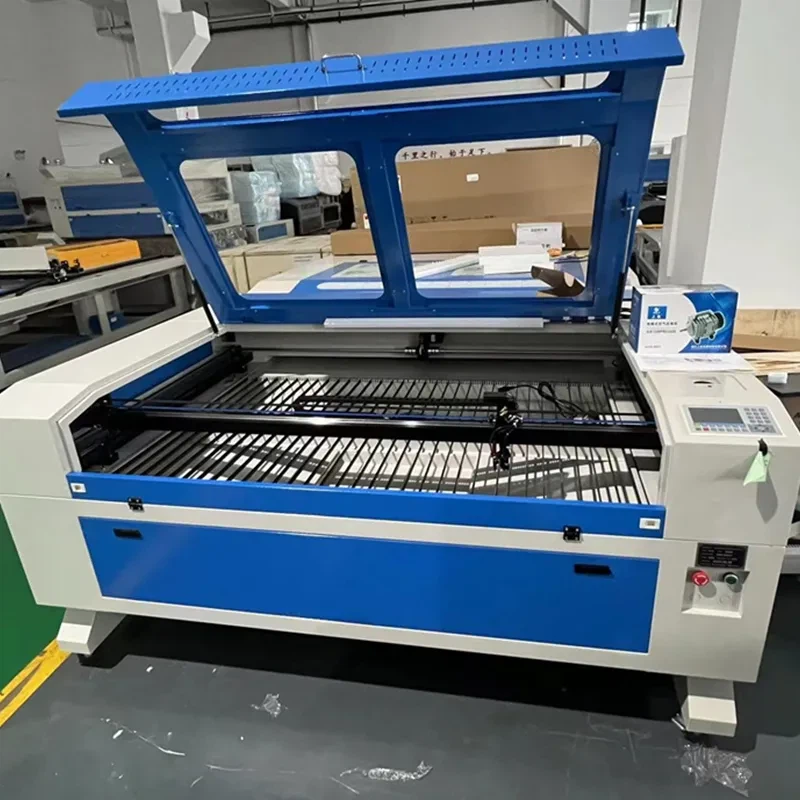
Flat-bed cutters: For flat sheets of material, such as panels or plates.
Tube cutters: For cylindrical or tubular shapes, often used in structural engineering.
3D cutters: For complex, curved surfaces, enabling intricate designs in art or prototyping.
Understanding these parameters is crucial because they influence not only the machine's performance but also the safety measures required. For example, high-power lasers demand stricter eye protection, while certain materials require specialized ventilation systems.
| Fiber Laser Cutting Machine | CO2 Laser Cutting Machine |
|
|
|

Safety Hazards in Laser Cutting
1. Eye Damage
The laser beam is invisible to the naked eye in many cases, making it particularly dangerous.
Direct exposure to the laser beam can cause permanent blindness. Even reflected light from mirrors or materials can harm eyes.
High-risk wavelengths: CO₂ lasers (10.6 μm) and fiber lasers (1.06 μm) are both dangerous. Without proper protection, even brief exposure can lead to irreversible damage.
2. Skin Burns
High-power lasers (>5 kW) can instantly burn exposed skin. The heat generated is so intense that it can cause severe injuries in seconds.
3. Toxic Fumes
Cutting certain materials releases harmful gases:
PVC (plastic): Releases hydrogen chloride gas, which is corrosive and toxic.
Leather: Emits benzene and formaldehyde, both of which are carcinogenic.
Wood: Produces fine particles and carbon monoxide, posing respiratory risks.
4. Fire Risk
Flammable materials like wood, paper, or fabric can ignite during cutting. Sparks from metal cutting may also start fires if not contained.
5. Noise and Dust
Laser cutters generate loud noises (often exceeding 85 decibels), which can damage hearing over time. Fine metal dust and particles may also accumulate, creating a risk of respiratory issues.
These hazards highlight why safety protocols are not optional-they are essential to prevent accidents and health risks.
How to Ensure Laser Cutter Safety
1. Laser Protection (Critical!)
Eye protection is the most critical safety measure:
Wear Laser Safety Goggles:
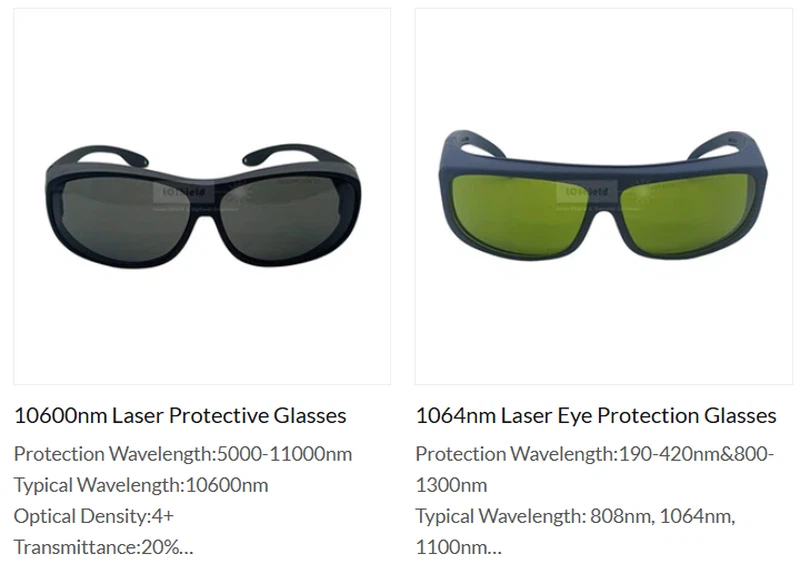
Use goggles rated for the specific laser wavelength (e.g., 10.6 μm for CO₂ lasers).
Never use regular sunglasses or unapproved glasses.
Avoid Direct Exposure:
Never look directly at the laser beam or its reflections.
Keep the machine's protective cover closed during operation.
Use Interlock Systems:
Machines with automatic shut-off when the cover is opened prevent accidental exposure.
2. Ventilation and Air Quality
Toxic fumes and particles must be controlled to protect operators:
Install Exhaust Systems:
Capture fumes and particles at the source (e.g., via a smoke extractor).
Wear Respirators:
Use N95 masks or gas masks for cutting toxic materials.
3. Fire Prevention
Preventing fires requires proactive measures:
Keep a Fire Extinguisher Nearby:
CO₂ or dry powder extinguishers are safest for laser fires.
Use Non-Flammable Materials:
Avoid cutting flammable substances unless absolutely necessary.
4. Skin and Body Protection
Physical injuries can be minimized with proper gear:
Wear Protective Gear:
Long-sleeve clothing, gloves, and closed-toe shoes to prevent burns.
5. Training and Maintenance
Safe operation starts with knowledge and routine checks:
Operator Training:
Only trained personnel should operate the machine.
Regular Maintenance:
Clean lenses and mirrors, check cooling systems, and test safety features.
By combining these measures, users can significantly reduce the risks associated with laser cutting.
Summary
Laser cutters are powerful tools for precise material cutting but require strict safety measures. Key risks include eye damage, skin burns, toxic fumes, and fire hazards. To stay safe:
Wear laser-rated goggles for the specific wavelength.
Use enclosed machines with interlock systems to prevent exposure.
Install ventilation to remove harmful particles and gases.
Train operators and maintain equipment regularly.
Laser cutting is a valuable technology, but it demands respect for its power. Always prioritize safety over speed-accidents can cause irreversible harm. By following these guidelines, you can enjoy the benefits of laser cutting while minimizing risks to yourself and others.