



BroadBand Light (BBL) therapy is a popular, non-invasive cosmetic treatment used to address skin concerns such as sun damage, pigmentation, redness, acne, and signs of aging. While often grouped with laser treatments, BBL is technically an intense pulsed light (IPL) technology-not a true laser-because it emits a broad spectrum of light rather than a single coherent wavelength. Despite this distinction, BBL still poses significant optical radiation hazards, making safety protocols essential for both practitioners and patients.
This article provides a clear, science-based overview of BBL laser safety, including key risks, protective measures, and best practices aligned with international standards.
What Is BBL and How Does It Work?
BBL uses high-intensity pulses of filtered broadband light (typically in the 400–1400 nm range) to target chromophores in the skin-such as melanin (for pigmentation) or hemoglobin (for vascular lesions). The light energy is absorbed by these targets, generating heat that selectively destroys unwanted cells while sparing surrounding tissue.
Because BBL covers a wide spectral range-including visible light and near-infrared (NIR)-it presents multiple wavelengths of potential eye and skin hazard, depending on the filter used and treatment settings.
Primary Safety Hazards of BBL
1. Eye Injury Risk
The most serious risk during BBL procedures is ocular damage:
Visible light (400–700 nm) can cause retinal injury.
Near-infrared radiation (700–1400 nm) penetrates deeply and may damage the retina or lens.
Even diffuse reflections from skin or instruments can be hazardous at close range.
Patients and staff must never look directly at the flash, even if it seems "dim."
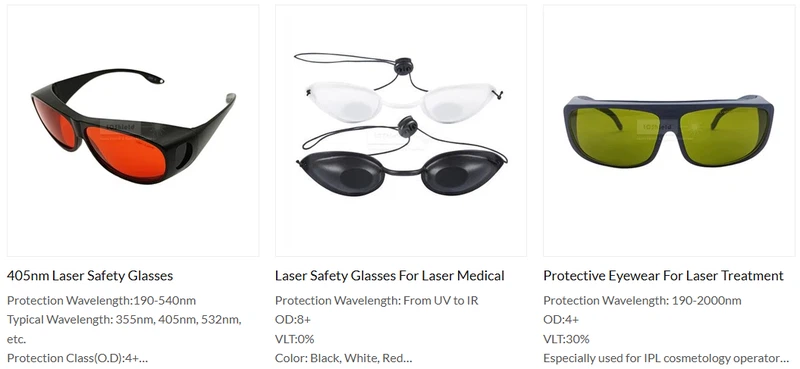
Unlike lasers, BBL devices lack a single wavelength, so standard laser safety glasses may not provide adequate protection unless they are specifically rated for the full BBL spectrum in use.
2. Skin Burns and Hyperpigmentation
Improper settings, overlapping pulses, or treating tanned/dark skin without appropriate adjustments can lead to:
Thermal burns
Blistering
Post-inflammatory hyperpigmentation (PIH)
These risks are minimized through proper patient screening, test spots, and device calibration-but operator training remains critical.
3. Fire and Electrical Hazards
Though rare, high-energy flashes can ignite flammable materials (e.g., alcohol-based prep solutions, dry gauze). Devices also carry standard electrical safety considerations.
Essential BBL Safety Measures
1. Eye Protection – Non-Negotiable
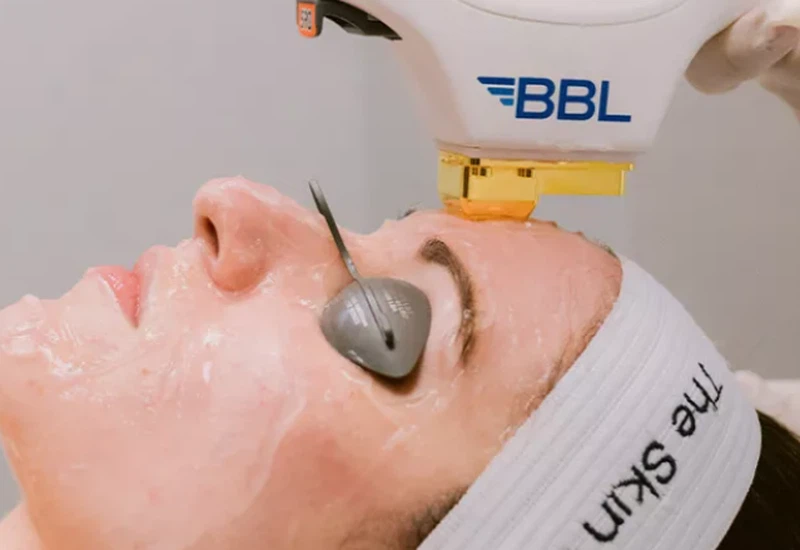
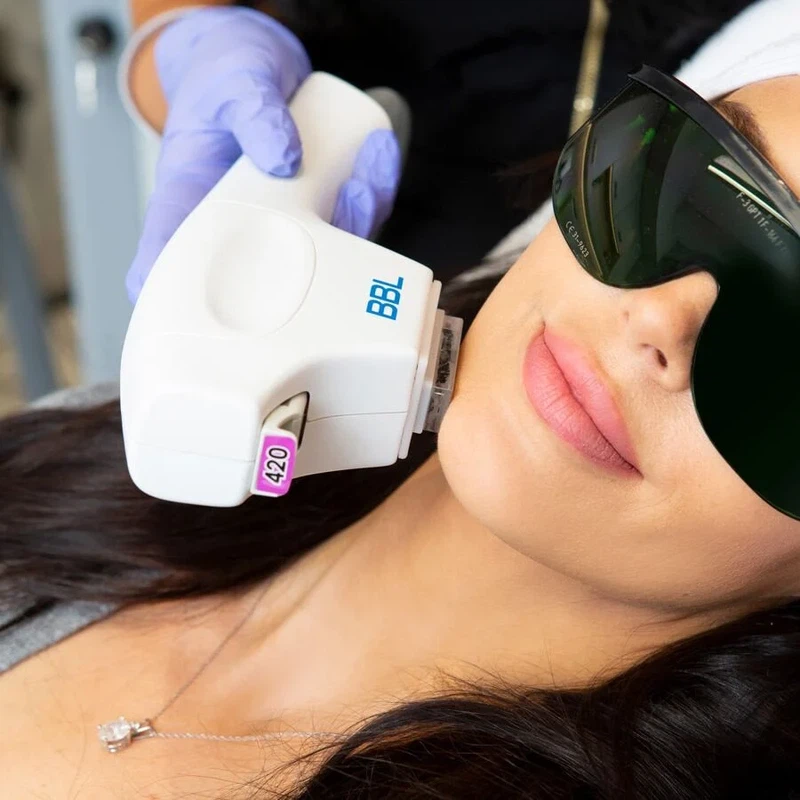
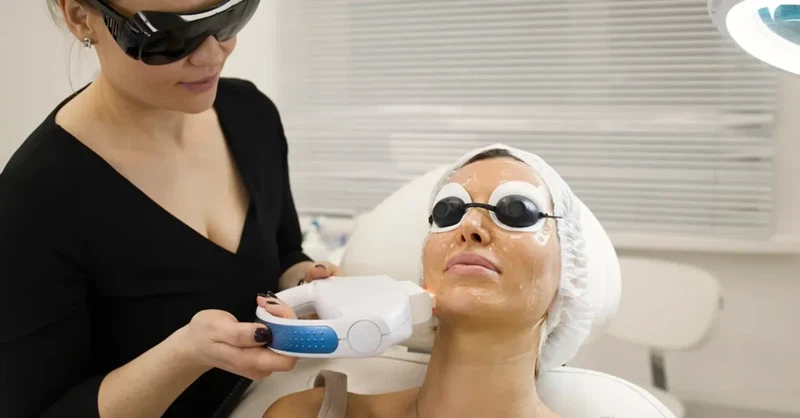
Patients: Must wear wavelength-specific protective eyewear that blocks the entire output spectrum of the BBL device being used (e.g., 500–1200 nm). Disposable opaque goggles or reusable filtered shields are common.
Operators and Staff: Should wear protective eyewear rated for the BBL spectrum, even when not directly operating the device. Regular prescription glasses or sunglasses offer no protection.
Never rely on closing eyes-eyelids do not block intense pulsed light.
✅ Always verify that eyewear is labeled for IPL/BBL use and matches the device's emission range.
2. Controlled Treatment Environment
Perform procedures in a dedicated treatment room with limited access.
Use warning signs (e.g., "Light Therapy in Progress") on doors.
Ensure all reflective surfaces (mirrors, metal trays) are covered or removed to minimize stray reflections.
3. Operator Training and Protocols
Only trained personnel should operate BBL devices.
Follow manufacturer guidelines for:
Skin typing (Fitzpatrick scale)
Fluence (energy) settings
Pulse duration and cooling
Perform a test patch when treating new patients or sensitive areas.
4. Device Maintenance and Calibration
Regularly inspect the handpiece, filters, and cooling system.
Replace damaged or worn components immediately.
Ensure the device undergoes periodic safety and performance checks per regulatory requirements.
BBL vs. True Lasers: Safety Implications
| Feature | BBL (IPL) | True Laser |
|---|---|---|
| Light Type | Broad spectrum (polychromatic) | Single wavelength (monochromatic) |
| Coherence | Incoherent | Coherent |
| Eye Protection | Must cover full emission band | Specific to one wavelength |
| Reflection Risk | Diffuse reflections primary concern | Both specular and diffuse reflections hazardous |
| Safety Standard Reference | IEC 62471 (Photobiological Safety), ANSI Z136.9 (for IPL) | ANSI Z136.1, IEC 60825 |
Because BBL emits multiple wavelengths, generic "laser safety glasses" are often insufficient. Protection must be validated for the entire spectral output of the specific BBL system and filter combination.
Conclusion: Prioritize Safety in Every BBL Procedure
BBL is a powerful and effective treatment-but its broad-spectrum light output demands rigorous safety practices. Eye protection is the top priority, followed by proper training, environmental controls, and device maintenance.
Whether you're a clinician, technician, or clinic manager, always:safe
Use spectrally appropriate eyewear for everyone in the room.
Never bypass safety interlocks or filters.
Treat every flash as potentially hazardous.
By integrating these evidence-based safety measures, you ensure effective treatments while protecting both patients and staff from preventable injury.
Remember: In light-based therapies, safety isn't optional-it's built into every successful outcome.