


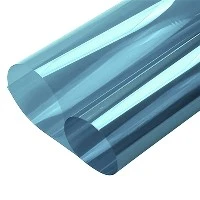

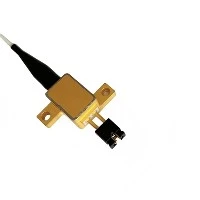
The advent of blue laser technology, with its wavelength ranging from 400-480 nanometers (nm), has revolutionized various sectors by offering unparalleled precision and efficiency. However, the high energy output associated with blue lasers also introduces significant safety risks, particularly to the eyes. This news delves into the applications of blue lasers, highlighting the importance of implementing stringent safety measures, including the utilization of EN207 laser safety glasses and EN12254 laser safety windows, to safeguard both operators and equipment.
Applications of Blue Lasers and Matching Safety Measures
1. Medical Field
Ophthalmology: In procedures such as retinal repair, the use of blue lasers is critical due to their ability to provide precise and controlled exposure to the targeted area. Surgeons and patients must wear EN207-certified laser safety glasses to prevent any direct or reflected laser light from causing harm. These specialized glasses effectively absorb blue light, protecting the eyes from damage.
Biodetection: Laboratory personnel involved in flow cytometry for biological sample analysis are susceptible to laser scatter or reflection. Wearing laser safety glasses and installing EN12254 laser safety windows in labs is crucial for protecting all individuals present from potential ocular risks.

2. Data Storage
Blu-ray Disc Manufacturing: During the production and testing of Blu-ray Discs, operators are exposed to high-energy blue light, which can be damaging to the vision. Operators must don EN207 laser safety glasses to protect against the intense blue light. Additionally, laser safety windows serve as a secondary protective measure, reducing the risk of laser leakage.
3. Printing and Imaging Technology
High-Definition Printing: Professional image printing and 3D printing that employ blue lasers demand operator protection from direct laser exposure or reflections. Appropriate laser safety goggles must be worn, and laser safety windows should enclose the work area to shield others from potential laser radiation exposure.
4. Research and Scientific Experimentation
Spectroscopic Analysis: In scientific experiments utilizing blue lasers for spectroscopic analysis, researchers are at risk of eye damage from laser reflections at various angles. EN207 laser safety glasses combined with laser safety helmets ensure comprehensive protection. Integrating laser safety windows helps in isolating the workstation, minimizing external interference and cross-contamination risks.
5. Entertainment and Display Technologies
Stage Lighting: For concerts and large events where blue lasers are used to create visual effects, technicians and performers should wear laser safety glasses. Although audience members typically require no protection, organizers must implement warning signs and provide necessary viewer safeguards.
Impact of Technological Advancements on Safety Measures
As technology advances, new laser devices with higher energy outputs emerge, necessitating updated safety standards and personal protective equipment (PPE). For instance, as laser power increases, existing EN207 glasses may need to adhere to higher protective standards to block more intense laser radiation.

Future Laser Application Challenges
Future laser applications, such as laser communication and weaponry, will present new safety challenges. High-intensity, instantaneous laser pulses could cause immediate harm to the eyes and skin, demanding the development of next-generation laser protective technologies and materials.
Conclusion
While blue lasers offer remarkable advantages in various sectors, their safety implications cannot be understated. By implementing rigorous safety protocols and utilizing appropriate PPE, such as EN207-certified laser safety glasses and EN12254 laser safety windows, effective risk mitigation strategies can be put in place. As technology evolves, so too must the standards and equipment designed to protect users from potential hazards, ensuring the safe operation of these advanced systems.