


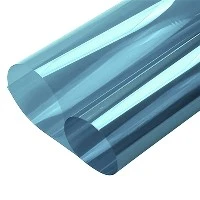

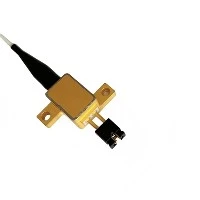
Diamond laser engraving machines have a wide range of applications and far-reaching influence. This equipment relies on superb laser technology and excellent engraving accuracy, including but not limited to jewelry making, precision machining, advertising logo design, and artwork creation. It can efficiently and accurately complete the engraving tasks of complex patterns, greatly improving production efficiency and product quality. However, while enjoying the convenience and efficiency brought by the diamond laser engraving machine, we must not ignore its potential safety hazards, especially the problem of eye safety protection. The high energy density and strong penetration of the laser beam pose a serious threat to human tissue, especially the eyes. Therefore, when operating such equipment, safety regulations must be strictly followed and effective eye protection measures must be taken to ensure the safety and health of the staff.
1. The working principle of the diamond laser engraving machine and its wavelength characteristics
The core working principle of the diamond laser engraving machine is based on the precise control and application of high-energy laser beams. Inside the machine, the laser generator generates a high-energy laser beam, which is guided and focused by a series of optical lenses, and finally converges the beam into an extremely fine point to act on the surface of the processed material. When the laser beam touches the material, its high energy will quickly cause the local area to generate high temperature, thereby achieving melting, vaporization or ablation of the material, thereby completing the engraving or cutting task.
|
|
|


In diamond laser engraving machines, the two wavelengths of 355nm and 1064nm lasers have significant effects and characteristics. 355nm laser belongs to the ultraviolet light band, with a shorter wavelength and higher energy, which is very suitable for fine engraving. It can easily penetrate transparent materials and produce clear marks inside the material, especially suitable for the processing of materials such as jewelry and glass. The 1064nm laser belongs to the infrared light band, with a longer wavelength and stronger penetration, which is suitable for cutting and engraving thicker materials. Its thermal effect is more significant, and it can quickly remove a large amount of material and improve processing efficiency. In practical applications, these two wavelengths of laser can be flexibly selected according to specific needs to achieve the best processing effect.
2. The harm of laser to the eyes and the influence of specific wavelengths
The harm of laser radiation to the eyes cannot be ignored, and its potential damage includes serious consequences such as corneal damage and retinal burns. When the laser beam enters the eye directly or indirectly, its high energy will be quickly absorbed by the eye tissue, causing local temperature rise and tissue damage. The cornea, as the transparent front structure of the eye, is particularly sensitive to laser radiation. Slight exposure may cause corneal epithelial detachment or more serious damage. As the site where photoreceptor cells are concentrated, the retina may cause vision loss or even permanent blindness once it is damaged by laser.
For the two specific wavelengths of 355nm and 1064nm lasers, the hazards and risks to the eyes are different. 355nm laser belongs to the category of ultraviolet light, with a shorter wavelength and higher energy, and is more easily absorbed by the cornea. Long-term or high-intensity exposure may cause damage to corneal epithelial cells, resulting in symptoms such as pain, photophobia, and tearing. In addition, ultraviolet lasers may also damage the lens and increase the risk of cataracts.
In contrast, 1064nm lasers, as infrared light, have a longer wavelength and stronger penetration. Although the direct damage to the cornea is relatively small, it is easier to reach the retinal level and cause retinal burns. This kind of injury is often more hidden, and there may be no obvious symptoms in the early stage, but over time, it may lead to a gradual decline in vision, or even serious consequences such as loss of central vision.
Therefore, when using a diamond laser engraving machine, it is necessary to attach great importance to eye safety protection, choose appropriate protective equipment, and strictly abide by the operating procedures to ensure the safety and health of the staff
3. The advantages of acrylic laser protection plates
In the field of laser safety protection, acrylic laser protection plates ensure that the operator can clearly observe the processing process, and its excellent impact resistance ensures that the protection plate can remain intact when it is hit by an accident, thereby continuously providing protection for the operator. In addition, acrylic material also has good weather resistance and corrosion resistance and can work stably for a long time in various harsh environments.
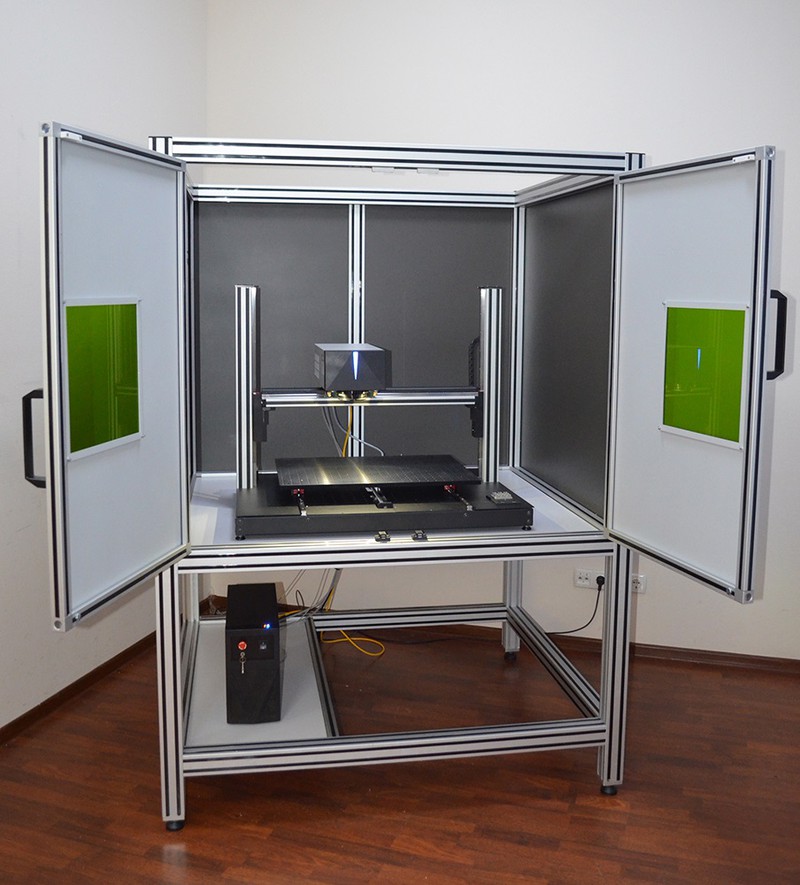
For the two specific wavelengths of 355nm and 1064nm lasers, acrylic laser protection plates show excellent protection effects. For 355nm ultraviolet lasers, acrylic materials can effectively absorb and scatter their energy to reduce damage to the eyes. At the same time, its high transparency ensures that the operator can still maintain a good visual experience during the protection process. For 1064nm infrared lasers, acrylic protective plates further enhance the reflection and absorption capabilities of infrared light through special coatings or structural designs, thereby effectively reducing its potential harm to the eyes.
Compared with acrylic laser protective glasses, the advantages of acrylic laser protective plates are mainly reflected in providing comprehensive and continuous large-area protection, ensuring the safety of the operating area while maintaining good visual clarity. It is suitable for working environments that require extensive protection, such as large laser processing workshops, and can effectively resist the damage of 355nm and 1064nm lasers to ensure the eye safety of workers.
4. Practical operation suggestions for using acrylic laser protective plates
In the actual operation of using acrylic laser protective plates, there are several key suggestions to follow to ensure safety and efficiency.
First, ensure that the laser protective plate has appropriate parameters to effectively absorb or block the laser beam to prevent direct or diffuse laser reflection from causing damage to the human eye.
Second, regularly check the integrity of the laser protective plate to avoid protection failure due to damage. During the installation process, ensure that the laser protective plate is stable and correctly positioned to fully cover the laser working area.
In addition, operators should be familiar with the operating procedures of laser equipment and wear appropriate protective glasses during operation, especially when calibrating and debugging the laser.
Finally, according to the working environment and processing requirements, the installation position and angle of the laser protection plate should be reasonably adjusted to achieve the best protection effect.
Following these suggestions can effectively ensure safety and work efficiency when using acrylic laser protection plates.