



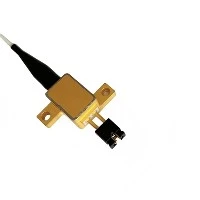
Lasers, with their monochromaticity, directionality and high brightness, have shown great potential in manufacturing, medical treatment, communications, scientific research and entertainment. From ruby lasers to semiconductor and fiber lasers, each advancement has promoted changes in related fields. Laser cutting, welding, and treatment of skin diseases have become very common, demonstrating its broad application prospects.
Although the application of laser technology has brought significant benefits, its potential harm to the human body, especially the eyes, cannot be ignored. Laser radiation can penetrate the eyeball and directly act on the retina, which may cause irreversible visual damage or even blindness. Especially in environments such as industrial processing, medical surgery and scientific research experiments, operators may be exposed to high-intensity laser radiation. Without proper protective measures, their eye health will be seriously threatened. Therefore, it is crucial to take effective laser safety protection measures.
1. Structure and function of the eye
The eye is one of the most important sensory organs in the human body, responsible for receiving and processing external light information. It is composed of multiple parts, each with its own unique structure and function.

Cornea: The transparent structure at the front of the eye that refracts light entering the eye.
Lens: Located behind the iris, it is responsible for further adjusting the focus of light to ensure a clear image is formed on the retina.
Vitreous Humor: The clear, jelly-like substance that fills the space between the lens and the retina and helps to maintain the shape of the eye and transmit light.
Retina: Located at the back of the eye, this area contains photoreceptor cells (rods and cones) that convert light signals into electrical signals that are transmitted via the optic nerve to the brain for processing.
Iris: A ring-shaped structure containing pigment that controls the size of the pupil and thus the amount of light entering the eye.
Pupil: The opening in the center of the iris that adjusts in size to control the amount of light entering the eye.
Sclera: The outermost layer of the eyeball, made of tough fibrous tissue, protects the internal structures of the eyeball from external damage.
Choroid: Located below the sclera, it is rich in blood vessels and pigments, provides nutrients to the retina and absorbs excess light.
Optic nerve: The bundle of nerve fibers that connects the retina to the brain and is responsible for transmitting visual signals.
Tear glands: Secrete tears to lubricate the surface of the eye, clean foreign matter, and inhibit bacterial growth.
2. Different effects of laser radiation of different wavelengths on the eyes
The effect of laser radiation on the eyes depends on its wavelength, power density and exposure time. Lasers of different wavelengths will have different effects on human tissues, especially sensitive organs such as the eyes.

Ultraviolet laser (100-400 nm): Mainly absorbed by the cornea, which may cause corneal damage, such as photokeratitis. Long-term exposure may cause death of corneal epithelial cells, resulting in blurred vision or even temporary blindness.
Visible light lasers (400-700 nm): Lasers in this wavelength range are absorbed by the anterior structures of the eye, such as the cornea and lens. Low-power visible light lasers usually do not cause permanent damage, but high power or prolonged exposure may cause thermal damage to the cornea and lens.
Near-infrared laser (700-1400 nm): It can penetrate the front structure of the eye and directly act on the retina. Due to the high light absorption rate of the retina, near-infrared laser may cause serious retinal damage, such as burns and photochemical damage. The damage to the retina caused by this type of laser is irreversible and may cause permanent vision loss.
Far-infrared laser (1400-3000 nm): Mainly absorbed by the cornea and lens of the eye, with less impact on the retina. However, high-intensity far-infrared lasers may also cause thermal damage to the cornea and lens, leading to blurred vision and eye discomfort.
3.Laser protection product recommendations from JTBYShield Laser Technology Co., Ltd
JTBYshield Laser Technology Co., Ltd is a leading company in designing and manufacturing laser protection products with many years of industry experience. The company's products have been exported to 23 countries and regions, and more than 1,000 projects have been successfully completed . Able to accept OEM and ODM orders, the following are the main laser protection products of JTBYshield Laser Technology Co., Ltd.
EN207 Standards Laser Safety Glasses:
Features: These glasses comply with the European CE standard EN 207:2017, providing effective protection against laser radiation of specific wavelengths. The lenses are made of high-quality polycarbonate material, which is anti-fog, dust-proof and impact-resistant, ensuring the safety of the wearer when operating laser equipment.
Applicable scenarios: Widely used in industrial processing, medical surgery, scientific research experiments and other occasions that require laser protection.

EN12254 Standards Laser Safety Windows:
Features: These windows comply with European CE standard EN12254:2012 and are designed to block laser radiation of specific wavelengths while maintaining high light transmittance. They can be installed in laboratories or industrial environments to protect operators from laser hazards.
Applicable scenarios: Suitable for industrial applications such as laser cutting, welding, marking, and laser operations in laboratories.

Features: Provides all-round laser protection, including eyes, face and head. The helmet is designed to be light and comfortable, suitable for long-term wear, ensuring the safety of operators in high-intensity laser environments.
Applicable scenarios: Especially suitable for researchers and technicians who need to perform laser operations in complex environments.

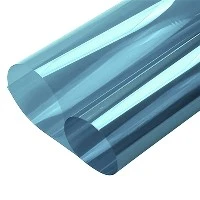
Features: These films can be attached to various optical devices, such as microscopes, telescopes, etc., to reduce the damage to the eyes caused by laser reflection and scattering. They are easy to install and do not affect the normal use of the equipment.
Applicable scenarios: Suitable for the operation of precision instruments that require additional laser protection to improve safety.

Features: This is a comprehensive laser protection solution, including laser protection panels, glasses and other necessary protective equipment. It is designed to provide operators with a safe working environment to prevent harm caused by laser radiation.
Applicable scenarios: Suitable for various working environments that require laser protection, such as laboratories, industrial production lines, etc.

The laser protection products provided by JTBYshield Laser Technology Co., Ltd are ideal for protecting eyes from laser damage due to their high quality, diverse selection and professional services. Whether it is industrial processing, medical surgery or scientific research experiments, these products can provide effective protection measures to ensure the safety of operators. If you have any needs, please contact JTBYshield Laser Technology Co., Ltd for more information or customized solutions.