



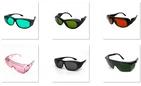

Eye protection is a critical aspect of workplace safety, and selecting the right type of eyewear is essential for preventing injuries and ensuring compliance with safety regulations. Two important categories of protective eyewear are laser safety glasses and safety glasses, each designed to address specific hazards and offer unique benefits. In this comparison, we will explore the key differences between these two types of eyewear, highlighting their distinct features, applications, and advantages.

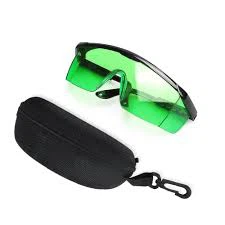

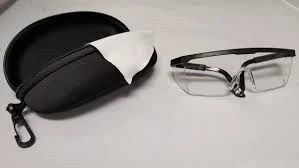
When it comes to showcasing the differences between laser safety glasses and safety glasses, it's important to provide a comprehensive overview that covers their unique features, applications, and benefits. Here's a more detailed comparison:
Laser Safety Glasses:
Purpose: Laser safety glasses are specifically designed to protect against the hazards of laser radiation. They are essential for anyone working with lasers in various settings, including research, manufacturing, medical procedures, and more.
Filters: These glasses feature special filters that block or attenuate specific wavelengths of light emitted by lasers. The filters are made using specialized materials such as polycarbonate, which can absorb or reflect harmful light.
Types: There are different classes of laser safety glasses available, each offering varying levels of protection based on the intensity and wavelength of the laser being used. For example, Class 1 glasses offer the lowest level of protection, while Class 4 glasses provide the highest level of protection for intense lasers.
Benefits: Wearing laser safety glasses can prevent serious eye injuries such as retinal burns, cataracts, and even blindness. They ensure safe operation of laser equipment and help comply with regulatory requirements and industry standards.
Applications: Laser safety glasses are commonly used in industries such as manufacturing, healthcare, research, and construction, where lasers are employed for tasks like cutting, welding, engraving, and surgery.

Safety Glasses:
Purpose: Safety glasses are general-purpose eyewear designed to protect against various hazards encountered in workplaces, such as flying debris, chemicals, dust, and other particles.
Features: These glasses typically feature impact-resistant lenses and frames made from strong materials like polycarbonate or high-impact polystyrene (HIPS). Many safety glasses also include side shields or wraparound designs to provide additional protection from peripheral hazards.
Types: Safety glasses come in different styles, such as full-frame glasses, half-frame glasses, and protective goggles. Some models may also include anti-fog coatings, UV protection, or tinted lenses for specific applications.
Benefits: Wearing safety glasses helps prevent eye injuries caused by flying objects, chemical splashes, and other potential hazards. They are essential for maintaining worker safety and compliance with OSHA regulations and other safety standards.
Applications: Safety glasses are commonly worn in industrial settings, construction sites, laboratories, and other workplaces where there is a risk of eye injuries from various hazards.
Comparing the key features of Laser Safety Glasses and Safety Glasses

In summary, while both laser safety glasses and safety glasses serve the critical function of protecting your eyes, they are designed for different purposes and offer distinct features and benefits. It's crucial to select the appropriate type of eyewear based on the specific hazards present in your work environment to ensure maximum protection and safety for your eyes.