



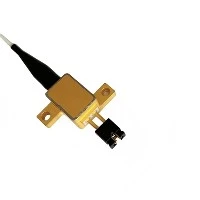
Low-Level Laser Therapy (LLLT), also known as photobiomodulation (PBM), has emerged as a clinically supported modality. The core of any LLLT device is its laser diode module. LLLT devices utilize specific wavelengths of laser to stimulate cellular activity in hair follicles, promoting hair growth and slowing loss.

I. Scientific Foundation of Laser Hair Growth
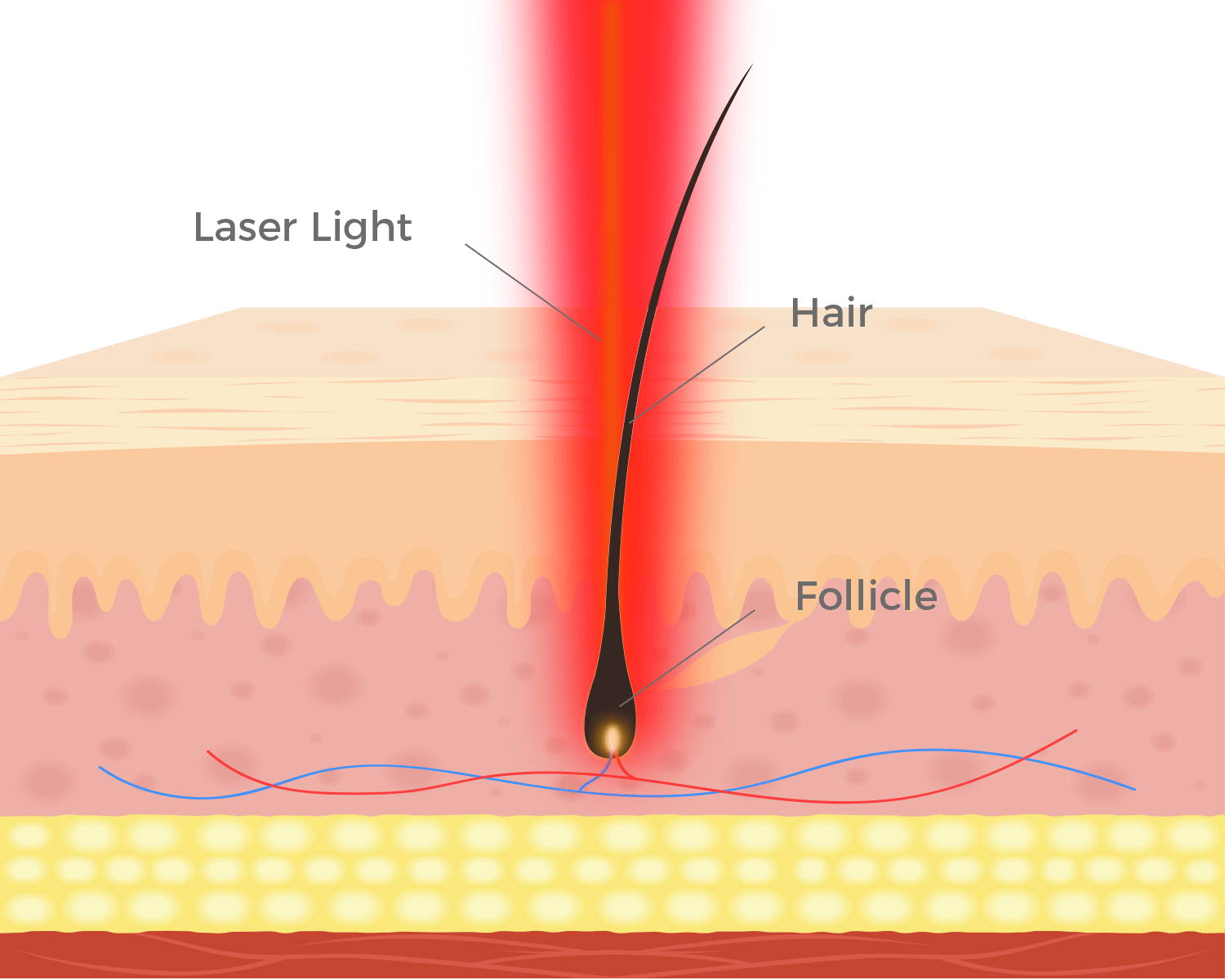
The efficacy of LLLT for hair growth is rooted in photobiomodulation. When photons of specific wavelengths are absorbed by cytochrome c oxidase in the mitochondria of follicle cells, a cascade of beneficial biological effects is triggered:
Enhanced Cellular Metabolism: Increased adenosine triphosphate (ATP) production, providing more energy for follicle repair and growth.
Improved Microcirculation: Release of nitric oxide and vasodilation, enhancing blood flow and nutrient delivery to follicles.
Reduced Inflammation: Modulation of inflammatory cytokines, alleviating conditions like alopecia areata.
Prolonged Growth Phase: Stimulation of epidermal stem cells and upregulation of growth factors, shifting follicles from the telogen (resting) to anagen (growth) phase.
Multiple randomized controlled trials and meta-analyses have substantiated these mechanisms, demonstrating significant increases in hair density and count for both androgenetic alopecia (male/female pattern hair loss) and other forms.
II. Core Laser Types in Hair Growth Devices
1. Classification by Wavelength:
650-670 nm Red Light Modules: The most prevalent type. This wavelength offers optimal penetration (several millimeters) with strong absorption by chromophores, making it highly effective for follicular stimulation.
780-850 nm Near-Infrared (NIR) Modules: Provide deeper tissue penetration, potentially reaching follicles situated deeper in the dermis, which is advantageous for treating more advanced hair loss or thicker scalp tissue.
Multi-Wavelength Composite Modules: An emerging trend combining red and NIR wavelengths (e.g., 650nm + 850nm) to target follicles at varying depths comprehensively, aiming for a synergistic effect.
|
|
|

2. Classification by Output & Type:
Low-Power Continuous Wave (CW) Modules (5-500 mW): The standard for consumer and many clinical devices. They deliver constant, low-intensity light, prioritizing safety and simplicity.
Pulsed Laser Modules: Emit light in short bursts. This can minimize thermal accumulation (reducing any heating sensation) and may enhance the photobiomodulation effect through specific frequency settings.
Adjustable-Power Modules: Allow users or clinicians to tailor the irradiance (power density) based on individual scalp sensitivity and treatment progress, enabling personalized protocols.
3. Specialized Technical Modules:
Laser Diode Array Modules: Consist of dozens to hundreds of individual laser diodes arranged in a matrix (as in laser caps or helmets). This design ensures broad, uniform coverage of the scalp in a single treatment session.
Hybrid Laser/LED Modules: Combine a smaller number of laser diodes with a larger array of Light Emitting Diodes (LEDs). Lasers provide coherent, focused light for deep stimulation, while LEDs (same wavelengths) add cost-effective surface area coverage.
Scanning/Dynamic Laser Modules: Use a moving laser beam or sequentially activated diodes to treat the scalp methodically. This prevents localized "hot spots," ensures even dosing, and can be integrated with smart scanning systems.
III. Technical Specifications and Selection Criteria
Key performance indicators for laser modules determine their efficacy and safety:
Wavelength Accuracy & Stability: Precise, consistent output (e.g., 650±5 nm) is critical for reproducible biological effects.
Output Power Density: The therapeutic window typically ranges from 3 to 50 mW/cm². Modules must be engineered to deliver this reliably across the treatment area.
Beam Uniformity & Divergence: A uniform beam profile ensures consistent energy delivery to all follicles. Controlled divergence defines the treatment spot size and penetration.
Form Factor & Integration: Miniaturization is key for wearable devices. Modules must be compact, efficient, and easily integrable into ergonomic designs.
Thermal Management: Effective heat dissipation is vital for module longevity, stable output, and user comfort.
Safety and Regulatory Compliance:
Modules must be designed for Class I or II Laser Product classification (inherently safe or low-risk during normal use). Devices require relevant medical certifications (e.g., FDA clearance, CE marking as a Class IIa medical device), which mandate rigorous testing for eye safety, electromagnetic compatibility (EMC), and biocompatibility.
IV. Recommended Products
650nm laser diode modules are the fundamental, active component determining the efficacy of LLLT hair growth devices. From standardized red-light arrays to emerging intelligent, hybrid systems, technological advancement is focused on enhancing precision, personalization, and user experience. While not a standalone cure for all hair loss, LLLT represents a scientifically validated, safe, and effective treatment modality, whose potential continues to expand through innovation in its core laser technology.

|
Wavelength:
|
650nm±10nm
|
|
Output Power:
|
<10mW
|
|
Size:
|
Φ6x10mm
|
|
Material:
|
Copper / Aluminum
|
|
Focal Length:
|
Adjustable
|
|
Working Voltage:
|
2.1~2.5VDC
|
|
Working Current:
|
<35mA
|
|
Spot Size:
|
<12mm at 10 meters
|
|
Working Temperature:
|
-10℃~+50℃
|
|
Storage Temperature:
|
-40℃~+80℃
|
|
Service Life:
|
> 10000 hours
|
V. Application Scenarios and Device Formats
Consumer Home-Use Devices:
Laser Combs/Handhelds: Contain a single row or small cluster of diodes. Portable, battery-operated, but require manual movement across the scalp.
Laser Helmets/Caps: Feature full-coverage diode arrays (e.g., 200+ lasers). Offer hands-free, uniform treatment. The most advanced form of home device, often incorporating timing and safety controls.
Professional Clinical Devices:
High-Power Laser Panels/Domes: Used in clinics, these deliver higher irradiance for shorter treatment times. They may feature more sophisticated multi-wavelength systems and are often part of a comprehensive treatment plan.
If you have any ideas, feel free to talk to us. No matter where our customers are and what our requirements are, we will follow our goal to provide our customers with high quality, low prices, and the best service.
Contact information:
 Email:info@loshield.com; laser@loshield.com
 Tel:0086-18092277517; 0086-17392801246
 Fax: 86-29-81323155
 Wechat:0086-18092277517; 0086-17392801246


