



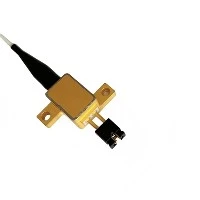
The excimer laser-typically emitting ultraviolet B (UVB) light at 308 nm-is widely used in dermatology for targeted phototherapy in conditions like psoriasis, vitiligo, and eczema. Unlike high-power surgical lasers, the excimer laser delivers a non-thermal, non-ablative dose of UV radiation to localized skin areas, sparing surrounding tissue. However, despite its precision, 308 nm UVB radiation poses significant biological hazards, particularly to the eyes and non-target skin. Proper safety protocols are essential to prevent acute and cumulative injury.
1. Key Hazards of Excimer Lasers
A. Ocular Hazards
308 nm UVB is strongly absorbed by the cornea and lens.
Acute exposure can cause photokeratitis (a painful "sunburn" of the cornea), with symptoms appearing 6–12 hours post-exposure: redness, tearing, foreign-body sensation, and photophobia.
Chronic or repeated exposure may contribute to cataract formation or conjunctival damage.
⚠️ Critical Note: The eye does not perceive UV light-patients and staff may be exposed without immediate awareness.
B. Skin Hazards
Overexposure can lead to erythema (sunburn-like reaction), blistering, or hyperpigmentation.
Repeated high-dose UV exposure is a known risk factor for skin carcinogenesis, though targeted excimer therapy minimizes total body exposure compared to whole-body UVB cabinets.
C. Secondary Risks
Reflections: While UVB reflects poorly off most surfaces, shiny metals or instruments near the treatment field can scatter radiation.
Ozone generation: Some older excimer systems may produce trace ozone during operation; adequate room ventilation is recommended.

2. Core Safety Measures
A. Eye Protection – Non-Negotiable
All individuals in the treatment room must wear UV-blocking safety eyewear specifically rated for 308 nm.
Standard clear safety glasses or sunglasses do not block UVB effectively.
Eyewear should:
Be labeled with wavelength protection (e.g., "UV 200–400 nm" or "308 nm blocking")
Provide wraparound coverage to prevent peripheral exposure
Be worn by patient, operator, and any observers
✅ Best Practice: Use opaque goggles or polycarbonate shields with certified UV absorption. For facial treatments near the eyes, consider additional shielding (e.g., metal occluders or moist gauze over closed eyelids)-but never rely on eyelids alone.
B. Skin Protection
Cover all non-target skin with towels, drapes, or UV-opaque fabric.
Apply broad-spectrum sunscreen (SPF 50+) to adjacent exposed areas if full coverage isn't feasible (though physical barriers are preferred).
Use the lowest effective dose based on skin type and minimal erythema dose (MED) testing when appropriate.
C. Controlled Treatment Environment
Conduct treatments in a dedicated room with:
Warning signs ("UV Laser in Use – Protective Eyewear Required") on the door
Minimal reflective surfaces near the handpiece
Adequate general ventilation
Ensure the handpiece tip is always directed at the target skin-never toward eyes or uncovered body parts.
3. Patient-Specific Safety Protocols
Instruct patients to keep eyes closed during facial or scalp treatments-even with goggles.
Avoid treating lesions near the eye margin unless using specialized ocular shields under strict protocol.
Document treatment parameters (dose, area, session number) to prevent cumulative overdose.
Screen for photosensitizing medications (e.g., tetracyclines, thiazides, St. John's Wort) before treatment.

4. Staff Training Requirements
All personnel operating or assisting with excimer lasers must receive training covering:
Nature of 308 nm UVB radiation and biological effects
Proper use and inspection of UV-protective eyewear
Emergency response for accidental exposure (e.g., eye irrigation is not indicated for UV keratitis; symptomatic care and ophthalmology referral if severe)
Device-specific operational safety (e.g., key control, emission indicator lights)
Training should be refreshed annually or when new equipment is introduced.

5. Equipment & Maintenance Safety
Regularly inspect the handpiece for cracks or misalignment that could cause beam scatter.
Ensure the emission indicator light functions properly (most devices illuminate when active).
Never bypass safety interlocks or operate with damaged shielding.
Conclusion
While the 308 nm excimer laser is a valuable tool for targeted phototherapy, its ultraviolet output demands respect. Unlike visible lasers, UV radiation is invisible and painless at the moment of exposure-making proactive protection critical. By enforcing consistent use of wavelength-appropriate eye protection, skin shielding, and controlled operating procedures, clinics can deliver effective therapy while safeguarding patients and staff from preventable harm.
Remember: In UV laser safety, you won't feel the damage until it's too late. Prevention through discipline-not reaction-is the standard of care.
This guidance aligns with ANSI Z136.3 (Safe Use of Lasers in Health Care) and ICNIRP recommendations for UV radiation protection. Always follow your device manufacturer's instructions and local regulatory requirements.