



As lasers become more integrated into our daily operations, from medical procedures to industrial manufacturing, the need for effective laser shielding has increased. Two popular materials used for laser shielding are acrylic and polycarbonate (PC) sheets. Each offers unique properties that make them suitable for different laser protection applications. In this article, we will compare acrylic and PC sheets as materials for laser shields, exploring their features, advantages, and limitations to provide guidance on selecting the most appropriate material for specific requirements.
Understanding Laser Shielding
Laser shielding is designed to block or filter harmful laser radiation to protect individuals from potential eye injuries or skin damage. The effectiveness of a laser shield is determined by its ability to absorb or reflect specific wavelengths of light without compromising visibility. Materials such as acrylic and PC sheets are often chosen for their optical clarity, impact resistance, and ability to be treated for laser-specific filters.
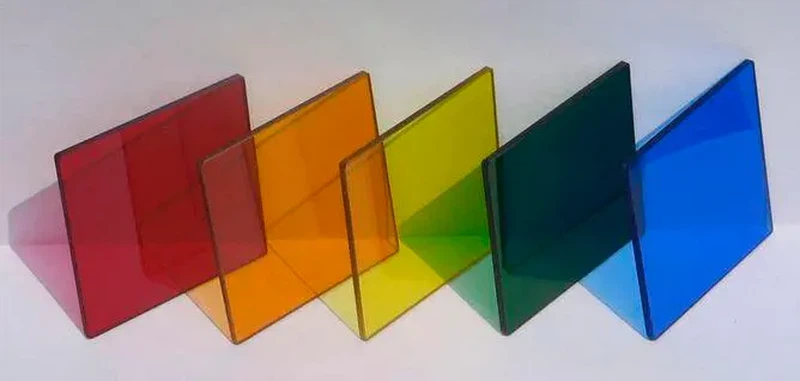
Acrylic Sheets: Pros and Cons
Acrylic, also known as PMMA (polymethyl methacrylate), is a thermoplastic material appreciated for its exceptional transparency, which is nearly equivalent to glass. It offers several advantages as a laser shielding material:
1. Clarity: Acrylic's clear appearance makes it ideal for applications where visibility is critical, such as in surgical or research settings.
2. Lightweight: Its lightweight nature allows for easy handling and installation, reducing the load on supporting structures.
3. Cost-effective: Generally, acrylic sheets are more affordable than PC sheets, making them a cost-conscious choice.
4. Easy processing: Acrylic can be easily cut, drilled, and formed using standard workshop tools.
However, acrylic also has some limitations:
1. Impact resistance: While it has good impact resistance, it is not as strong as PC, increasing the risk of cracking or breaking under heavy loads or stress.
2. Thermal stability: Acrylic has a lower heat resistance compared to PC, which could be a concern in high-temperature environments.
3. Scratch sensitivity: Acrylic is more prone to scratches, which can affect its optical performance over time.
Polycarbonate Sheets: Pros and Cons
Polycarbonate, commonly referred to as PC, is a durable plastic known for its resilience and high-performance characteristics. As a laser shielding material, PC offers several benefits:
1. Impact resistance: PC is extremely tough and withstands high-impact forces, making it suitable for safety applications.
2. Thermal stability: It has superior heat resistance compared to acrylic, allowing it to be used in environments with elevated temperatures.
3. Scratch resistance: PC is more scratch-resistant than acrylic, maintaining its clarity even under harsh conditions.
4. UV resistance: It has natural UV resistance, which is crucial for outdoor applications where prolonged exposure to sunlight is common.
Despite these advantages, PC sheets also have certain drawbacks:
1. Cost: PC is generally more expensive than acrylic, which might be a consideration for budget-constrained projects.
2. Heavier: Being heavier than acrylic, PC requires more robust support structures, potentially leading to higher installation costs.
3. Processing difficulty: PC is harder to cut and shape than acrylic, requiring specialized equipment.
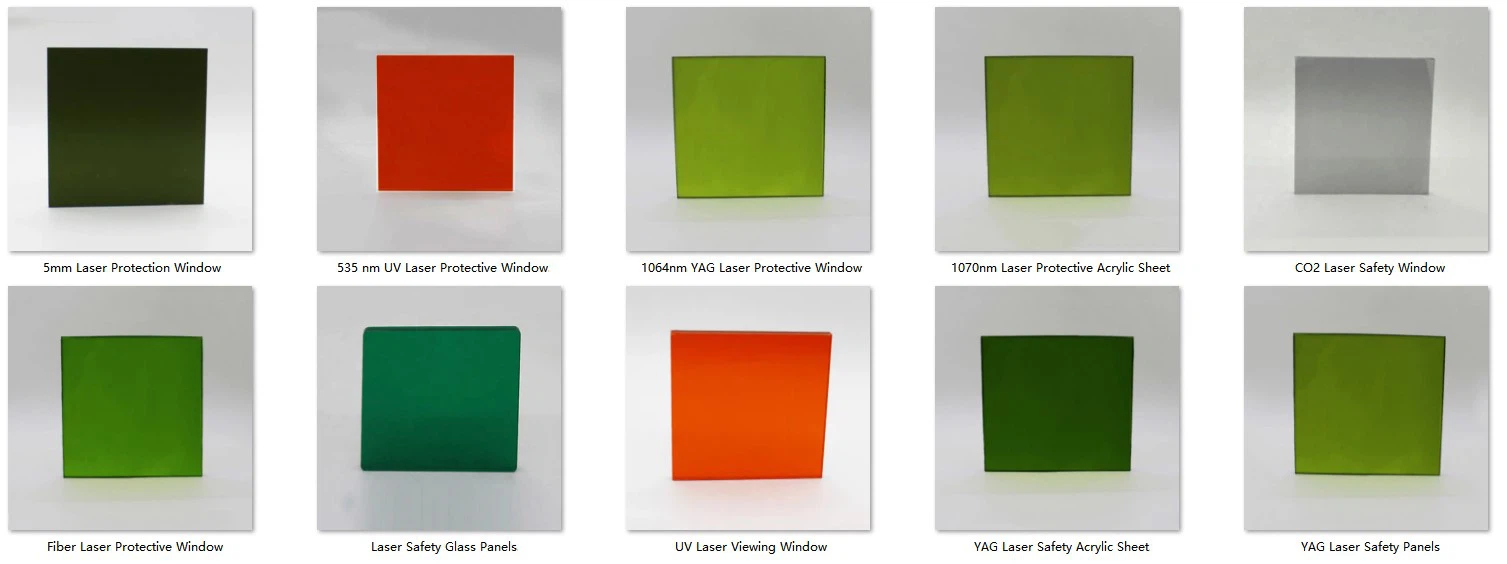
Selecting the Right Laser Shield Material
The decision to use acrylic or PC sheets for laser shielding should be based on the specific requirements of the application. Consider factors such as the level of laser protection needed, the environment in which the shield will be used, the importance of visibility, and the budget available.
For example, if cost is a significant factor and the laser power is low to moderate, acrylic might be the preferred choice. If the application involves high-powered lasers or the shield will be subjected to physical stress or harsh environmental conditions, PC may offer the necessary durability and longevity.
Moreover, both materials can be surface-treated with special coatings to enhance their laser-blocking capabilities. These coatings can be tailored to absorb or reflect specific laser wavelengths while allowing other wavelengths to pass through. This flexibility enables the creation of custom laser shields that meet precise safety standards.
Conclusion
In the realm of laser safety, choosing the appropriate shielding material is critical to ensure the protection of personnel and equipment. Both acrylic and PC sheets have their place depending on the demands of the application. Acrylic sheets offer affordability and excellent clarity, while PC sheets provide superior strength and thermal stability. By carefully considering the needs of the environment and the level of protection required, one can make an informed decision that balances safety, functionality, and cost-effectiveness.