


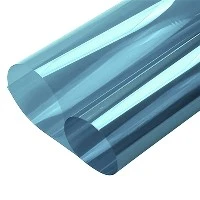

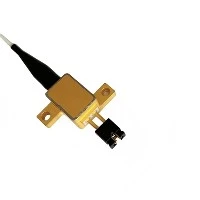
The 650nm laser, operating in the visible red spectrum, is widely used in medical, industrial, and communication fields due to its compatibility with hemoglobin absorption and cost-effectiveness. However, its photobiological effects pose risks such as retinal damage and skin sensitivity.Wearing laser protective glasses and laser protective clothing is an effective measure to reduce such hazards.
1. Applications of 650nm Laser
Medical Field
Low-Level Laser Therapy (LLLT): Used for wound healing, pain relief, and reducing inflammation. The 650nm wavelength penetrates shallow tissues, stimulating cellular activity without thermal damage.
Dermatology: Treats acne and pigmentation disorders by targeting hemoglobin in blood vessels.
Industrial and Commercial Use
Alignment and Positioning: In textile machinery (e.g., sewing machines) and automated production lines, 650nm lasers provide precise alignment markers for cutting or assembly.
Barcode Scanners: Integrated into handheld devices for retail and logistics due to high visibility and low power consumption.
|
|
|


Communication and Electronics
Fiber-Optic Communication: Coupled with optical fibers for short-distance data transmission, leveraging its stability in visible light communication systems.
Educational Tools: Laser pointers and demonstration devices for teaching optics principles.
Consumer Electronics
Laser Pointers: Common in presentations and astronomy guides, typically operating below 5mW (Class 2 safety rating).
2. Hazards of 650nm Laser
Ocular Risks
Retinal Damage: Direct exposure to beams exceeding 1mW can cause photochemical burns in the retina, leading to temporary or permanent vision loss.
Chronic Exposure: Prolonged exposure to diffuse reflections may contribute to eye strain or cataracts.
Skin Risks
Thermal Injury: High-power 650nm lasers (>5mW) can cause localized burns, especially on pigmented skin.
Photosensitivity: Certain medications or medical conditions may increase skin sensitivity to red light.
Environmental Risks
Fire Hazard: Misuse near flammable materials (e.g., paper, fabrics) can ignite fires.

3. Safety Protocols and Protective Measures
Mandatory Protective Eyewear Scenarios
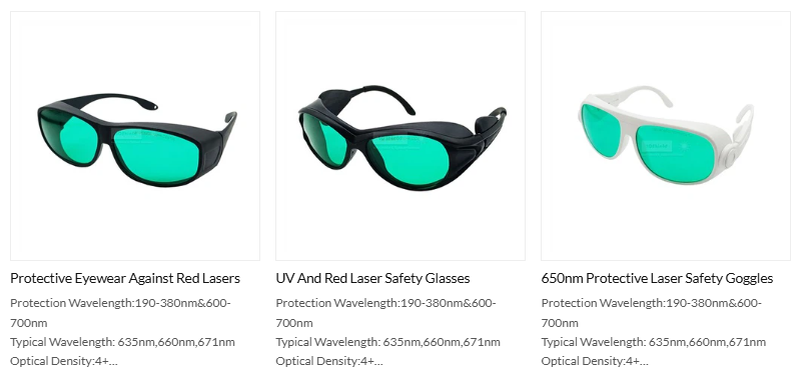
Medical Procedures: During LLLT or dermatological treatments, use laser safety glasses with Optical Density (OD) ≥4 at 650nm.
Industrial Settings: Workers in laser alignment or cutting roles must wear anti-reflective goggles, especially when handling metallic surfaces with high reflectivity.
Educational Demos: Students and instructors in optics labs should use certified protective glasses, even for low-power Class 2 lasers.
Key Safety Practices
Power Classification: Follow IEC 60825-1 standards. Class 2 lasers (<1mW) require caution, while Class 3B/4 systems demand restricted access and engineering controls.
Controlled Environments: Use beam enclosures and warning signs in areas with active laser operations.
Training: Regular safety drills on emergency shutdown procedures and hazard recognition.
Conclusion
The 650nm laser's versatility in medical, industrial, and educational applications necessitates rigorous safety management. Adherence to international standards, context-specific protective gear, and continuous training are critical to mitigating risks.