



In the world of cosmetic medicine, both Intense Pulsed Light (IPL) and laser treatments have revolutionized the way we address skin imperfections. From pigmentation disorders to hair removal, these light-based therapies offer a range of solutions for beautifying and enhancing one's appearance. However, with great power comes great responsibility, particularly when it comes to ensuring the safety of both patients and practitioners during these procedures. This comparative analysis will delve into the importance of laser safety, exploring the differences and similarities between IPL and laser treatments through the lens of protection.
The Science of Light: A Refresher on IPL and Laser
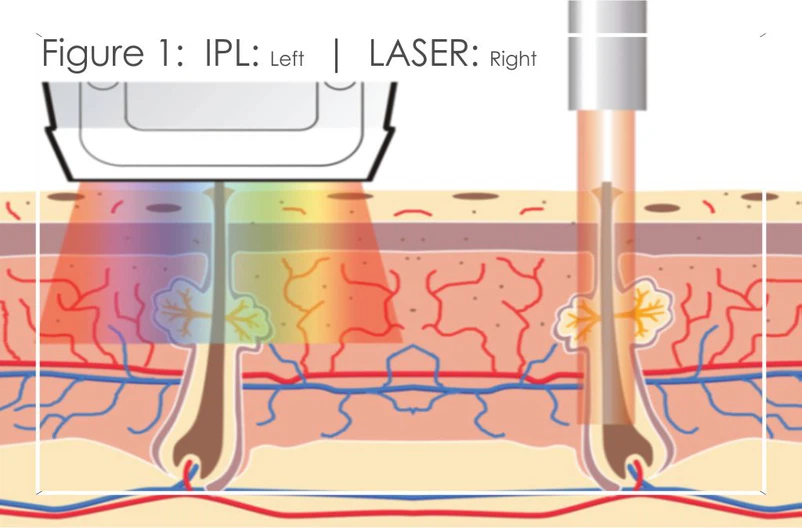
IPL systems emit broad-spectrum light with multiple wavelengths, targeting various depths of the skin and offering a versatile solution for many superficial concerns. In contrast, lasers produce a single, concentrated wavelength that allows for precise targeting of specific skin issues, making them ideal for more complex treatments.
The Common Ground: Safety Standards in IPL and Laser Treatments
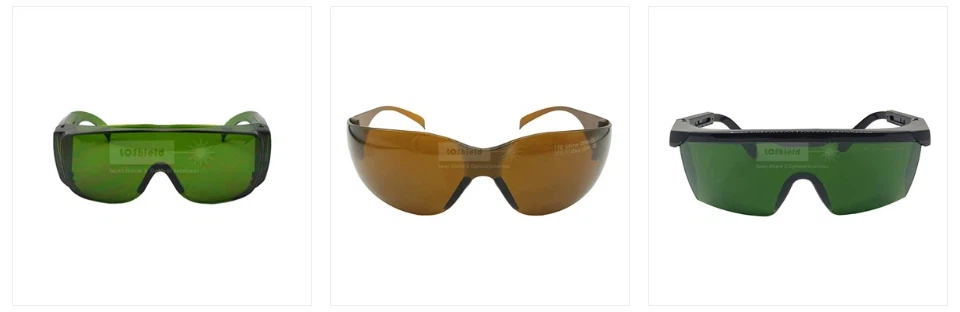
Despite their distinct mechanisms, both IPL and laser treatments prioritize safety through the use of high-quality protective gear, such as laser safety goggles. These goggles are designed to filter out potentially harmful wavelengths of light, preventing ocular damage that could lead to irreversible vision loss. The optical density (OD) rating of these goggles is paramount, ensuring an adequate level of protection against the intensity of the light emitted during treatments.
The Distinct Requirements: Laser Specificity and Eye Protection
While both types of treatments require eye protection, the specificity of lasers demands a higher level of precaution. Laser safety goggles must block the exact wavelength emitted by the device to provide effective protection. For example, if a laser treatment operates at 532 nm, goggles should ideally offer a higher OD rating at this specific wavelength compared to others, considering the potential for direct and focused light exposure.
Real-World Implications: Ensuring Optimal Protection
In clinical settings, the choice of laser safety goggles often depends on the type of treatment being performed. For IPL, which uses a broader spectrum of light, goggles with a wide-spectrum filter are appropriate. Lasers, however, require goggles that specifically filter out the active wavelength. In addition to goggles, other measures such as room labeling, warning signs, and procedural checklists contribute to a comprehensive safety strategy.
The Future of Laser Safety: Innovations and Advancements
As technology evolves, so do our methods for ensuring safety during IPL and laser treatments. Future innovations may include smart goggles that can automatically adjust their filtering capabilities based on the specific wavelengths in use, or even wearable devices that monitor exposure levels in real time. Additionally, advancements in treatment protocols aim to further minimize any risks associated with these powerful therapies.
Conclusion: Prioritizing Protection in Light-Based Therapies
Both IPL and laser treatments offer transformative results for a variety of skin conditions. However, the critical element that binds these two modalities is the imperative for stringent laser safety. By understanding the unique requirements of each treatment and selecting the appropriate protective gear, we can ensure that the pursuit of beauty does not come at the cost of safety. As we look to the future, the development of smarter, more responsive protective technologies will undoubtedly play a vital role in shaping the next generation of light-based cosmetic procedures.