



In the field of aesthetic medicine, hair removal has become increasingly popular due to advancements in technology that offer more effective and long-lasting solutions. Two widely used technologies for hair removal are Intense Pulsed Light (IPL) and 808nm diode laser systems. While both methods aim to reduce unwanted hair, they operate on different principles and come with distinct safety protocols. Ensuring proper safety measures, including the use of laser protection glasses, is crucial to prevent harm during treatments.
Understanding IPL and 808nm Diode Laser Technology
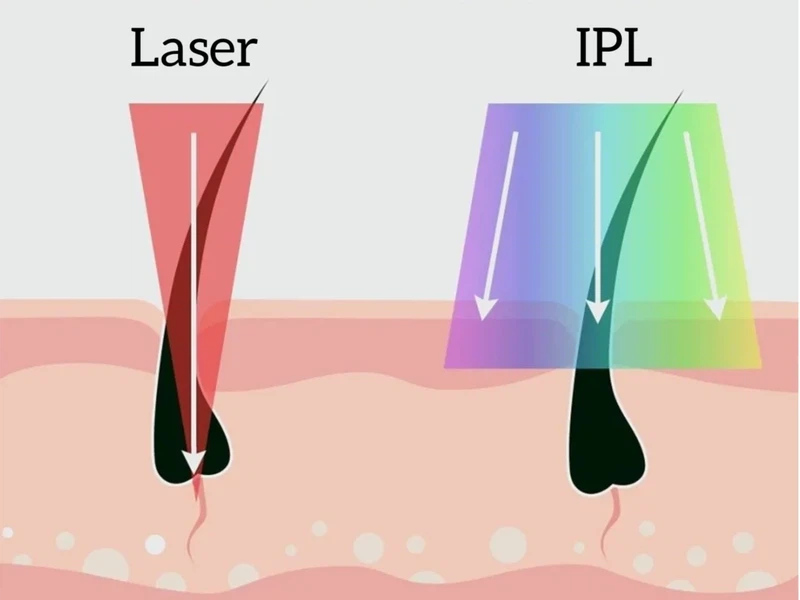
Intense Pulsed Light (IPL) is not a true laser but rather a broad-spectrum light source that emits multiple wavelengths, typically ranging from 515 nm to 1200 nm. This light targets melanin in the hair follicles, generating heat that damages the follicle and inhibits future hair growth. IPL is often used for various skin conditions, including pigmentation issues and vascular lesions, making it a versatile option in dermatology.
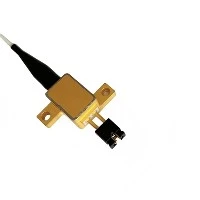
On the other hand, the 808nm diode laser emits a single, focused wavelength of light (808 nanometers), which is specifically absorbed by melanin in the hair follicles. The energy is converted into heat, effectively destroying the follicle without damaging surrounding tissue. Due to its precision and depth of penetration, the 808nm diode laser is considered one of the most effective options for permanent hair reduction, especially for individuals with darker or coarse hair.
Key Differences Between IPL and 808nm Diode Laser
Wavelength and Precision:
IPL uses a wide range of wavelengths, which means it may target not only hair follicles but also other chromophores like hemoglobin or melanin in the skin. This can increase the risk of side effects such as burns or pigmentation changes.
The 808nm diode laser uses a narrow, specific wavelength that is highly absorbed by melanin, allowing for more targeted treatment and deeper penetration into the dermis.
Skin and Hair Type Suitability:
IPL works best on individuals with fair skin and dark hair because of the contrast between skin pigment and hair color. It is less effective on tanned or darker skin tones due to the increased melanin in the epidermis, which can absorb the light and lead to complications.
The 808nm diode laser is suitable for a broader range of skin types, including darker skin tones, when used correctly and with appropriate settings.
Treatment Experience:
IPL treatments are generally faster but may require more sessions for optimal results. Some patients describe the sensation as similar to a rubber band snapping against the skin.
Diode laser treatments may take slightly longer per session but often yield better results in fewer sessions. Many modern diode lasers incorporate cooling systems to enhance patient comfort.
Safety Profile:
Due to its broader spectrum of light and potential for affecting surrounding tissue, IPL carries a higher risk of adverse reactions if not properly calibrated or applied by an inexperienced operator.
The 808nm diode laser offers a more controlled and precise method, reducing the likelihood of injury when safety guidelines are followed.

Importance of Safety Protocols
Both IPL and 808nm diode laser procedures involve high-intensity light that can cause serious harm if not handled correctly. Therefore, strict adherence to safety rules is essential to protect both patients and practitioners.
1. Laser Protection Glasses
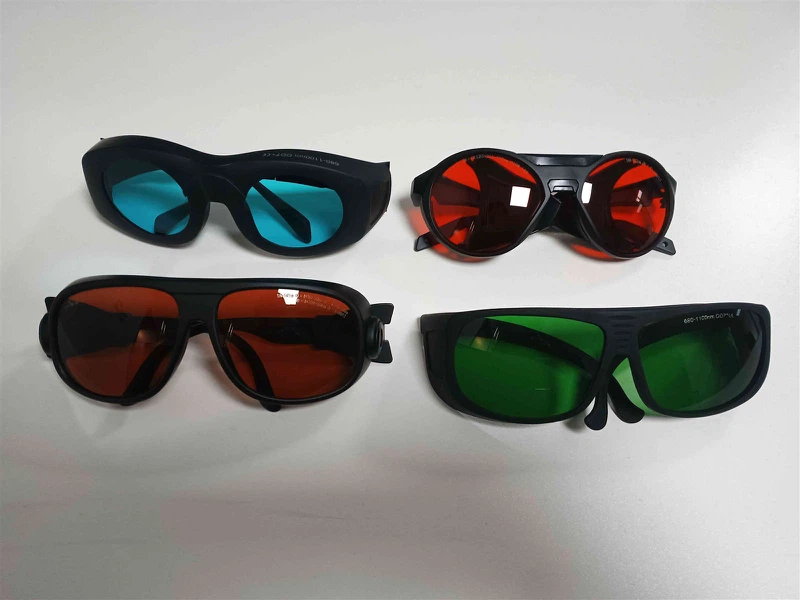
One of the most critical safety measures is the use of laser protection glasses or goggles. These specialized eyewear pieces are designed to filter out harmful wavelengths emitted by the device being used. Since IPL and diode lasers emit different wavelengths, it is imperative that the correct type of protective eyewear is worn at all times during treatment.
For IPL devices, protection glasses must be selected based on the filter used and the specific wavelength output. For example, if a 640 nm cut-off filter is used, the glasses should block wavelengths below this threshold.
For 808nm diode lasers, protective eyewear must be specifically rated for 808 nm light. These glasses usually appear dark red or amber and are made with materials that absorb or reflect the laser's wavelength.
Failure to wear proper eye protection can result in retinal damage, corneal burns, or even permanent vision loss. Therefore, not only the practitioner but also the patient and any bystanders present in the treatment room must wear appropriate laser protection glasses.
2. Controlled Environment
The treatment area should be well-controlled to minimize risks:
Only trained and certified professionals should operate IPL or diode laser equipment.
Rooms should have warning signs indicating laser usage, and doors should remain closed during operation.
Reflective surfaces should be minimized or covered to prevent accidental redirection of the laser beam.
3. Pre-Treatment Evaluation
Before undergoing either IPL or laser hair removal, patients should undergo a thorough consultation and patch test:
A medical history review helps identify contraindications such as recent sun exposure, skin disorders, or medications that increase photosensitivity.
Patch testing ensures the device settings are safe and effective for the individual's skin type.
4. Proper Equipment Calibration
Incorrect settings can lead to burns, hypo/hyperpigmentation, or ineffective treatment. Practitioners must adjust parameters based on:
Skin tone (Fitzpatrick scale)
Hair thickness and color
Treatment area (e.g., face vs. legs)
Modern laser and IPL devices often include built-in safety features and adjustable settings to help ensure accurate delivery of energy.
5. Cooling and Aftercare
Many laser systems feature integrated cooling mechanisms (such as chilled sapphire tips or cryo spray) to protect the epidermis during treatment. Proper aftercare is also vital:
Avoid sun exposure before and after treatment.
Apply soothing creams (like aloe vera or hydrocortisone) to reduce inflammation.
Keep the treated area clean and moisturized.
Regulatory Standards and Training
To maintain safety and efficacy, operators must adhere to local and international standards for laser use. In many countries, certification is required to legally operate medical-grade IPL or laser devices. Training programs typically cover:
Laser physics and tissue interaction
Risk management and emergency procedures
Patient selection and informed consent
Legal and ethical considerations
Regulatory bodies such as the FDA (U.S.), MHRA (UK), and ISO standards provide guidelines for the safe use of medical lasers and IPL systems.
Conclusion
While both IPL and 808nm diode laser hair removal offer effective solutions for long-term hair reduction, they differ significantly in terms of technology, suitability, and safety requirements. The importance of laser protection glasses cannot be overstated-these are essential tools that safeguard the eyes of everyone involved in the procedure. Alongside proper training, equipment calibration, and environmental controls, following strict safety protocols ensures successful outcomes and minimizes the risk of complications. As the demand for non-invasive aesthetic treatments continues to grow, maintaining a strong focus on safety remains paramount.