



Laser Equipment plays a vital role in fields such as industry, medicine, and scientific research, covering a variety of applications from precision manufacturing to surgical operations to laboratory research. Given the growing reliance on laser equipment in these fields, it is critical to select one that is suitable for specific needs. Selecting the right laser equipment for a specific need is a multi-faceted decision-making process involving factors such as technical parameters, performance requirements, safety, cost-effectiveness and supplier reputation. The following are key factors to consider when selecting laser equipment:
Understand the types of laser equipment:
1. Identify different types of laser equipment (solid state, gas, semiconductor, etc.) and their characteristics.
Common laser equipment types
①Solid-State Lasers
This type of laser uses solid crystal or glass as the gain medium, such as Neodymium-Doped Yttrium Aluminum Garnet. Solid-state lasers typically output high power and have good beam quality.
②Gas Lasers
Gas lasers use gas as the gain medium, such as Helium-Neon Laser and Carbon Dioxide Laser. Gas lasers are often used for precision measurement and long-distance transmission.
③Semiconductor Lasers
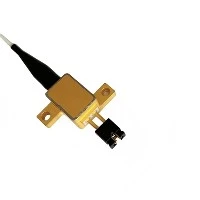
Also called Laser Diodes, they use semiconductor materials as the gain medium. Small in size and high in efficiency, it is widely used in communications, data storage and consumer electronics.
④Dye Lasers
Using organic dye solutions as gain media allows the generation of widely tunable wavelengths. Suitable for spectroscopy research and medical fields.
⑤Fiber Lasers
Fiber doped with rare earth elements is used as the gain medium. It has high efficiency and excellent thermal management properties and is often used in industrial processing and communications.
2. Choose the appropriate laser type according to the application scenario (such as cutting, welding, marking or medical treatment).
Each type of laser equipment has unique performance characteristics and is suitable for different application areas:
Solid-state laser: Commonly used in metal cutting, welding, and military applications due to its high power and good beam quality.
Gas laser: Particularly suitable for applications requiring continuous wave output and high brightness, such as barcode scanning and holography.
Semiconductor laser: Because of its compactness and economy, it is widely used in CD players, laser printers and fiber optic communications.
Dye lasers: often used in fluorescence spectroscopy and medical diagnosis due to their strong tunability.
Fiber laser: With its high efficiency and compactness, it occupies an important position in industrial applications such as micromachining and remote welding.
When selecting laser equipment, clarifying its purpose and usage environment is a crucial step. Here's how to determine the appropriate laser equipment based on different usage purposes and scenarios:
1.Analyze usage requirements
User needs may include material processing (such as cutting, welding, marking), medical treatment (such as laser surgery, laser beauty), scientific research measurement (such as spectrum analysis, length measurement), etc. Analysis of specific needs should consider the following factors:
Type of material processed: Different materials have different absorption rates of laser light, such as metal, plastic, glass or ceramics.
Processing quality requirements: Parameters such as accuracy, smoothness, speed, etc. affect the selection of laser equipment.
Operational complexity: Certain applications may require multi-axis control or highly customized operator interfaces.
Batch production or single-piece processing: This determines the speed and degree of automation of the laser system required.
2. Recommended laser types and power ranges
Based on the above demand analysis, the following types of laser equipment can be recommended:
Material cutting and marking: Usually requires high peak power pulsed laser or continuous wave laser, such as CO₂ laser or fiber laser.
Material welding: The laser is required to have high power and good focusing characteristics. Solid-state lasers (such as Nd:YAG laser) are often used in such applications.
Medical Treatment: Low to medium power laser diodes are commonly used in laser surgery and non-invasive treatments, with wavelength selection based on the treatment target and the absorption properties of the tissue.
Scientific research measurement: Tunable dye lasers are suitable for spectroscopic studies that require precise control of wavelength, while stable and continuous output lasers are suitable for precise measurements.
3. Consider environmental factors
In addition to laser type and power, the use environment is also a key factor in selecting laser equipment:
Indoor and outdoor use: Equipment for outdoor use requires better weather protection and possible temperature and humidity control.
Temperature requirements: Some laser equipment is sensitive to the temperature of the working environment and may require additional cooling systems.
Mobility needs: If equipment needs to be moved between multiple locations, lightweight design and ease of handling become important.
By comprehensively considering these factors, the most appropriate laser equipment can be selected for specific purposes and scenarios, ensuring that it not only meets performance requirements, but also adapts to the operating environment, while taking into account future expansion and technology upgrades.
Evaluate technical parameters and performance indicators:
When selecting laser equipment, understanding and evaluating its technical parameters and performance indicators is critical to ensuring that the equipment can meet the needs of a specific application. The following is a detailed description of the key parameters and their role in the selection process:
1. Wavelength
Wavelength is a representation of the characteristic color or frequency of a laser beam. Different materials have different absorption rates for different wavelengths of light. For example, the wavelength of CO₂ laser is about 10.6 microns, which is suitable for cutting and marking non-metallic materials; while the wavelength of Nd:YAG laser is 1.064 microns, which is suitable for processing of metal materials. Choosing the right wavelength optimizes processing results and efficiency.
2.Power
The power of a laser determines its ability to deliver energy, usually measured in watts (W). High-power lasers can provide greater processing capabilities, such as deep welding or thick material cutting. However, too much power can also cause excessive melting or damage to the material. Therefore, choosing the right power range is crucial to achieve high-quality machining results.
3.Pulse Width
For pulsed laser systems, the pulse width defines the duration of each laser pulse. Pulse width affects heat input and material cooling time, which in turn affects processing quality. Short pulse widths are typically used in applications that require high precision and minimal thermal effects, such as micromachining and certain medical treatments.
4. Beam Quality
Beam quality describes the minimum diameter and spot shape of a focused laser beam. The higher the beam quality, the smaller the focusing spot and the higher power density that can be obtained, which is especially important for precision machining. Beam quality is usually expressed by the M² factor, the closer the value is to 1, the better the beam quality.
5. Precision and Efficiency
Ensure the accuracy and efficiency of the selected laser equipment meet your specific processing needs. This includes fast processing speeds, consistent repeatability and minimized machining errors. High-efficiency equipment can increase production throughput and reduce unit cost.
6. Stability and Reliability
The stability and reliability of laser equipment are directly related to production efficiency and operating costs. Choosing equipment with a low failure rate and simple maintenance can reduce downtime and repair costs. At the same time, high-quality laser equipment usually has a long service life and sustained performance.
When evaluating these technical parameters and performance indicators, the actual production environment, operator skill level, and expected production volume should be considered. By working closely with suppliers to conduct the necessary testing and validation, you can ensure that the selected equipment is not only technically advanced, but also reliable and efficient in real-world applications.
Consider safety and ease of operation:
1. Understand laser safety levels and necessary safety measures.
Laser safety levels: Laser equipment is classified into different safety levels based on its potential hazards. Typically ranging from Level 1 (lowest potential hazard) to Level 4 (highest potential hazard). Users must understand the rating of the selected equipment and take appropriate safety measures.
Safety measures: This includes using protective glasses, warning signs, safety fencing and ensuring adequate ventilation to prevent the build-up of harmful smoke. For high-power lasers, remote operation or isolated protected areas may also be required.
Training and Education: Operators need to receive appropriate laser safety training to understand potential risks and preventive measures. Regular safety reviews are also required.
2. Choose equipment that is easy to operate and maintain
User-friendly control systems: Modern laser equipment is often equipped with touch screens and computer interfaces, making operation more intuitive. Choosing equipment with clear instructions and simplified operating procedures can shorten training time and reduce operating errors.
Ease of maintenance: Consider the maintenance needs of your equipment and choose those that make it easy to access, clean and replace consumables. Modular design allows for quick replacement of damaged parts, reducing repair time.
Remote monitoring and diagnostics: Some laser systems offer remote monitoring capabilities that can immediately notify technicians in the event of a malfunction and even enable remote diagnosis and problem solving.
3. Ensure long-term operating costs are within budget
Consumables and maintenance costs: Understand the life expectancy of your laser equipment's consumables (such as lenses, laser media, etc.) and their replacement costs. Additionally, consider the cost of regular maintenance, including service contracts and technical support.
Energy Efficiency: Choosing energy-efficient laser equipment can save you energy costs in the long term. Consider the device's power consumption, standby power consumption, and whether it uses energy-saving technologies.
Payback period: The balance between the initial investment cost of computing equipment and the savings that can be achieved through increased efficiency and productivity. Choose equipment with a lower Total Cost of Ownership (TCO).
In summary, when selecting laser equipment, its safety, ease of operation, and economy should be comprehensively considered to ensure that the health of the operator is protected, production efficiency is improved, and financial sustainability is maintained.
Seeking advice from the laser equipment manufacturer or a professional consultant is an extremely valuable step in the laser equipment selection process. These professionals draw on their in-depth knowledge and practical experience to provide unique insights and practical advice.
1. Consult with sales and technical support teams
Communicate in depth with the laser equipment manufacturer's sales and technical support teams, who can recommend the appropriate equipment model and configuration based on your specific needs. Ask them to provide case studies or customer testimonials to demonstrate the effectiveness and reliability of their equipment in similar applications.
2. Consider hiring a professional consultant
For large purchases or complex projects, consider hiring a professional consultant with a background in laser technology.
Professional advisors can provide independent assessments and advice to help you make more informed decisions.
By actively seeking and listening to industry experts and experienced users, you can gain valuable first-hand information to make more comprehensive and informed decisions when selecting laser equipment.
Contact information:
If you have any ideas, feel free to talk to us. No matter where our customers are and what our requirements are, we will follow our goal to provide our customers with high quality, low prices, and the best service.
 Email:info@loshield.com
 Tel:0086-18092277517
 Fax: 86-29-81323155
 Wechat:0086-18092277517


