




Laser technology has transformed modern medicine and aesthetics, offering precise solutions for conditions ranging from skin rejuvenation and hair removal to complex surgical interventions. With its increasing accessibility, the potential for accidental exposure to harmful laser radiation-particularly to the eyes and skin-demands unwavering attention to safety protocols. Professionals across the globe recognize that laser safety is not a one-time consideration but a dynamic, evidence-based practice integral to every treatment. This article explores the multifaceted strategies professionals employ to safeguard patients, staff, and the treatment environment, grounded solely in established clinical guidelines and universally accepted safety frameworks. By understanding these practices, both healthcare providers and individuals seeking laser treatments can make informed decisions that prioritize well-being without reliance on unverified claims or proprietary solutions.
The Cornerstone: Mandatory Training and Certification
Safety begins long before the laser is activated. All practitioners undergo rigorous, accredited training covering laser physics, hazard classification (e.g., IEC 60825-1 categories), and emergency response protocols. This education ensures staff can identify risks like beam misalignment, reflective surfaces, or equipment malfunctions in real time. Training isn't a one-off; it includes annual refresher courses to address evolving best practices, ensuring every team member-from technicians to physicians-operates with consistent expertise. Without this foundation, even the most advanced equipment cannot guarantee safety.

Essential Personal Protection: Wavelength-Specific Eyewear
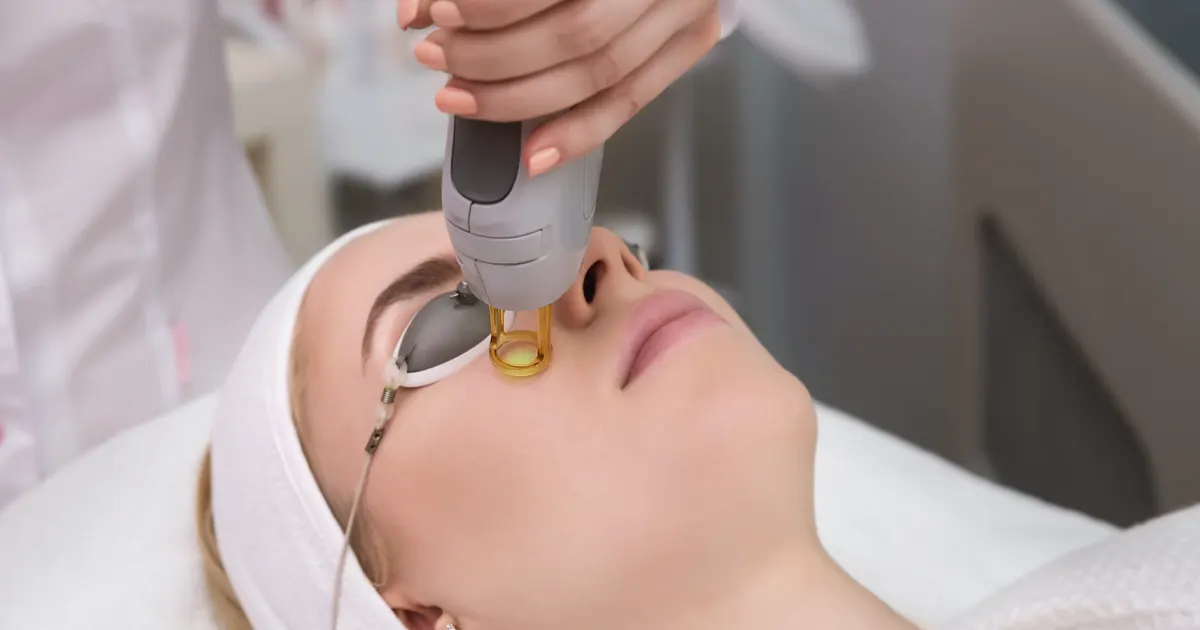
Protective eyewear is non-negotiable in every laser procedure. Both patients and clinical personnel wear safety glasses calibrated to the exact wavelength of the laser in use. These glasses absorb or block hazardous light, preventing instantaneous retinal damage from direct or reflected beams. Crucially, eyewear must be selected based on the device's specifications-no generic glasses are acceptable. This practice is universally en
forced, as eye injuries can occur in milliseconds, making compliance a strict standard rather than a suggestion.

Designing a Secure Treatment Environment
The physical space is engineered to minimize exposure risks. Treatment rooms feature clear hazard signage, restricted access points, and beam containment systems like curtains or barriers. Reflective surfaces-such as metallic instruments, mirrors, or polished floors-are eliminated or covered to prevent accidental beam redirection. Safety interlocks automatically deactivate the laser if doors are opened or safety protocols are compromised, adding a critical fail-safe layer. Additionally, room layout ensures unobstructed pathways for emergency exits, reducing panic during rare incidents.
Device Reliability: Rigorous Maintenance and Calibration
Laser equipment undergoes scheduled maintenance to uphold operational integrity. This includes monthly calibration checks to verify beam alignment, power output, and wavelength accuracy against manufacturer specifications. Safety audits are performed quarterly to confirm compliance with international standards, with any deviations triggering immediate corrective action. Equipment logs document every maintenance event, ensuring transparency and accountability. This proactive approach prevents drift in performance, which could lead to unintended exposure.
Transparent Patient Communication: Building Trust and Cooperation
Safety is a shared responsibility. Before treatment, professionals clearly explain safety measures-why protective eyewear is mandatory, how the room is secured, and what to expect during the procedure. This dialogue addresses patient anxiety, encourages adherence to protocols (e.g., keeping eyes closed during treatment), and reinforces that safety is prioritized over efficiency. Informed patients are more likely to participate actively in their own protection, turning safety from a procedural step into a collaborative practice.
Global Standards: Anchoring Practices in Evidence-Based Guidelines
All safety protocols align with internationally recognized frameworks like IEC 60825-1, which defines safe exposure limits, device classifications, and operational requirements. These standards, developed through decades of clinical research and real-world application, provide a consistent benchmark for clinics worldwide. Professionals regularly reference these guidelines to audit their practices, ensuring they remain current with scientific consensus rather than fleeting trends. This adherence eliminates guesswork and creates a universal language of safety.
Conclusion
Laser safety during treatment is a holistic commitment woven into every aspect of the procedure-from staff expertise to environmental design and patient engagement. It is not a checklist but a living practice rooted in education, meticulous equipment management, and adherence to time-tested global standards. As laser technology evolves, these foundational principles remain constant, ensuring that innovation always serves the dual purpose of efficacy and security. For patients, verifying that a clinic implements these evidence-based protocols is a vital step toward a safe, effective experience. By prioritizing safety as a non-negotiable pillar of care, professionals uphold the highest ethical standards, making laser treatments a trusted and reliable option for health and wellness. Always seek out facilities that transparently discuss their safety measures-your well-being deserves nothing less.