



Laser technology has revolutionized numerous industries, from manufacturing and medicine to scientific research. Among the most prominent laser types are Neodymium-doped Yttrium Aluminum Garnet (Nd:YAG) lasers and Fiber lasers. This article explores the differences between these two technologies and emphasizes the importance of protective measures in laser operations. With a comprehensive analysis, we aim to provide insights that help users and manufacturers make informed decisions while maintaining a high standard of safety.
Nd:YAG Lasers: A Historical Perspective
Nd:YAG lasers have been a cornerstone of industrial applications since their inception. These lasers operate by exciting neodymium ions within a yttrium aluminum garnet crystal, typically using flash lamps or diode pumping. The emitted photons generate laser light at primary wavelengths around 1064 nm. While historically less efficient, modern diode-pumped Nd:YAG lasers have improved efficiency and are still favored for their high pulse energies and good beam quality. Their applications range from material processing to medical procedures, underscoring their versatility.

Fiber Lasers: The Emergence of a Game Changer
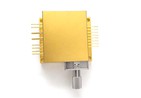
On the other hand, fiber lasers represent a relatively newer class of lasers with distinct advantages. They utilize doped fibers as the gain medium, where dopants like erbium or ytterbium are excited by diode pumping. The light travels along the fiber, building up through stimulated emission to produce laser light at various wavelengths. Known for their superior beam quality and lower Beam Parameter Product (BPP), fiber lasers offer more focused and precise outputs. Their operation can be in continuous wave (CW) or pulsed modes, often with minimal heat affected zones (HAZ). Moreover, they boast higher efficiency and require less maintenance due to their all-fiber construction.
Comparative Analysis: Delving into the Core Differences
A closer examination reveals several key differences between Nd:YAG and fiber lasers. In terms of operational principles, Nd:YAG lasers rely on flash lamps or diode arrays to pump energy into the crystalline structure, whereas fiber lasers use diode pumping exclusively. This distinction affects the overall efficiency and thermal management requirements. Additionally, the beam quality differs significantly, with fiber lasers generally providing a more consistent and stable output.
When considering wavelength flexibility, Nd:YAG lasers are known for their fixed wavelengths around 1064 nm, with additional harmonics available through frequency conversion techniques. In contrast, fiber lasers can easily adjust their emission spectrum by altering the dopant materials and fiber design, making them highly adaptable for various applications.
Safety First: Protective Measures against Laser Radiation
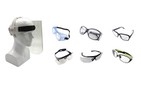
Despite their differences, both Nd:YAG and fiber lasers demand rigorous safety protocols to protect personnel from potential hazards. Laser safety goggles with sufficient Optical Density (OD) to block specific wavelengths are essential. For instance, ANSI standards suggest an OD of at least 7 for direct viewing and 8 for reflected viewing of 1064 nm radiation from Nd:YAG lasers. Fiber laser wavelengths may vary, requiring goggles tailored to their emission spectrum.
Furthermore, safeguards like interlocks prevent unauthorized use, and warning signs remind personnel to wear PPE. Beam containment strategies, such as enclosures or shielding, are also critical to minimize accidental exposure. Beam dumps should be strategically placed to dissipate unused laser energy safely.
Comprehensive training on laser safety and operational procedures is a must for all personnel involved in laser operations. Regular inspections and maintenance of laser systems and safety devices are equally important to ensure ongoing compliance with safety standards.


Case Studies and Practical Applications
Real-world examples provide valuable insights into the practical implementation of safety measures. Analyzing case studies from various industries highlights how safety protocols can effectively mitigate risks associated with high-powered laser operations. These lessons learned are instrumental in shaping future guidelines and best practices.
Discussion and Future Outlook
As laser technology continues to advance, so do the challenges in managing laser safety. Emerging trends, such as ultrafast lasers and novel wavelength generation techniques, will undoubtedly impact safety standards and equipment design. Anticipating these changes and adapting protective measures accordingly is crucial for the safe integration of laser technology into new domains.
Conclusion
In conclusion, while Nd:YAG and fiber lasers serve different niches within the laser landscape, they share a common requirement for stringent safety measures. By understanding the nuances between these laser types and implementing appropriate protective gear and strategies, we can harness their power while minimizing risks. As technology progresses, it is imperative to stay vigilant and evolve our approach to laser safety to ensure the well-being of all individuals working within these dynamic fields.