



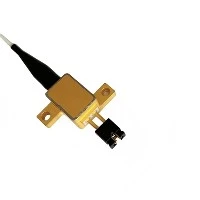
PicoWay® laser systems deliver breakthrough results for tattoo removal, pigmentation, and skin rejuvenation using 532nm, 755nm, and 1064nm wavelengths. While clinically transformative, these high-intensity beams demand uncompromising safety measures. This guide details the non-negotiable protection requirements for safe PicoWay® operation, aligned with global medical laser standards.
Core Laser Hazards & Protection Solutions
🔴 1. Wavelength-Specific Eye Protection
Risk: Permanent retinal damage from direct/reflected beams.
Mandatory Solution:
CE EN207-Certified Laser Safety Eyewear (OD6+)
Blocks 99.9999% of 532nm (green), 755nm (red), and 1064nm (IR) wavelengths.
Side shields prevent peripheral beam exposure during handpiece maneuvering.
Patient Protection:
Internal opaque eye shields or wavelength-specific goggles.
🔴 2. Skin and Tissue Thermal Protection
Risk: Burns, hyperpigmentation, or hypopigmentation from thermal buildup.
Critical Controls:
Dynamic Cooling Systems (DCD):
Maintains skin surface temperature below 40°C during pulsing.
Integrated temperature sensors trigger automatic shutdown if thresholds exceed safe limits.
Barrier Gel Application:
Hypoallergenic medical gels ensure even beam dispersion and heat insulation.
🔴 3. Environmental Safety Infrastructure
Risk: Uncontrolled beam exposure to non-target personnel or surfaces.
Requirements:
Laser-Proof Room Modifications:
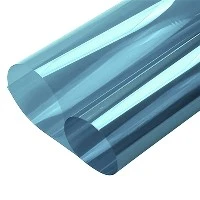
Window films blocking 532–1064nm wavelengths (OD ≥6).
Access control systems with automatic door locks during treatment.
Warning Systems:
Audible alarms and visual "Laser Active" indicators outside treatment rooms.

Operational Safety Framework
✅ Pre-Treatment Safety Checks
Device Calibration:
Daily verification of wavelength accuracy (±2nm tolerance) and energy output.
Eyewear Inspection:
Confirm no scratches, cracks, or degradation of protective filters.
Patient Screening:
Exclude contraindications (pregnancy, photosensitivity, active infections).
✅ During Treatment Protocols
Operator Certification:
Annual training on laser physics, skin-tissue interaction, and emergency response.
Handpiece Discipline:
Contact with skin confirmed before firing.
No airborne activation.
✅ Post-Treatment Safety
Immediate Aftercare:
Cooling pads to reduce inflammation.
SPF 50+ mineral sunscreen for UV protection.
Adverse Event Management:
Protocol for thermal injury: Hydrogel dressings + clinical monitoring.

Why Our Protection Solutions Excel
⭐ Engineering Precision
Wavelength-Specific Filters:
Optimized optical density (OD6+) for PicoWay®'s 532nm, 755nm, and 1064nm emissions.
Rigorous Certification:
CE EN207 validation for impact resistance, beam blocking, and optical clarity.
⭐ Clinic-Ready Design
Anti-Fog/Scratch-Resistant Coatings:
Uninterrupted visibility during extended procedures.
Ergonomic Comfort:
Lightweight frames compatible with loupes and prescription glasses.
⭐ Compliance Assurance
Documentation Kits:
Calibration logs, incident reports, and staff training records.

Implementing Your Safety Program
🔒 Step 1: Hazard Assessment
Map beam paths, reflection points, and high-risk zones in treatment rooms.
🔒 Step 2: Equipment Validation
Verify eyewear/gel compatibility with your PicoWay® model and wavelengths.
🔒 Step 3: Staff Training
Quarterly drills covering:
Emergency shutdowns
Exposure first aid
Equipment maintenance
Conclusion: Safety as Clinical Excellence
PicoWay® lasers empower transformative aesthetic outcomes-but their power necessitates disciplined protection. By integrating wavelength-specific eyewear (OD6+ CE EN207), thermal injury controls, and structured safety protocols, clinics achieve dual imperatives: zero harm and exceptional results.