



The advent of dental lasers has revolutionized the field of dentistry, providing unparalleled precision and efficiency in a myriad of procedures. However, amidst the numerous benefits these high-tech tools offer, there remains a critical question: can dental lasers pose a threat to eye safety even when stringent precautionary measures are implemented? To address this concern, it is imperative to delve into the specific wavelengths and pulse powers commonly associated with dental lasers and assess the potential risks they entail for both practitioners and patients.
Wavelength Variability: The Spectrum of Dental Laser Safety
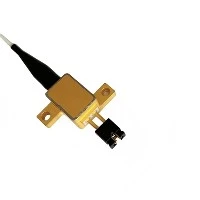
Dental lasers span a variety of wavelengths, each designed for different applications within oral healthcare. For instance, Erbium lasers, such as the Er,Cr:YSGG laser with a wavelength of approximately 2790 nm, are commonly used for soft tissue procedures like gum treatments and tooth preparation for bonding. On the other hand, neodymium-doped yttrium aluminum garnet (Nd:YAG) lasers, operating at around 1064 nm, are utilized for periodontal therapy due to their ability to penetrate deeper into tissues. Additionally, frequency-doubled Nd:YAG lasers emitting green light at 532 nm are employed for tasks requiring high visibility, such as the removal of superficial stains or lesions.

Pulse Power and Eye Safety: Understanding the Risk Factors
The risk of ocular damage from these lasers is tied directly to the specific wavelengths they emit. Green light lasers, despite their high visibility, pose a significant threat due to the intense focus required for treatment, which can cause thermal injury to the retina if not properly managed. In contrast, infrared (IR) wavelengths, being invisible to the naked eye, carry the risk of going unnoticed by the operator, potentially leading to accidental exposure and subsequent harm.
Protective Eyewear: Shielding the Eyes from Potential Danger
Pulse power is another critical factor that determines the potential for eye injury from dental lasers. High-power pulsed lasers can generate sufficient energy to cause tissue damage even with brief exposures. For example, a Q-switched Nd:YAG laser used for tooth whitening can deliver pulses with powers ranging from several hundred millijoules to over a thousand millijoules, depending on the settings. Such peak powers can induce ocular trauma if protective measures fail.

Laser Safety Protocols: Ensuring a Safe Working Environment
To mitigate these risks, specialized protective eyewear is essential. Laser safety goggles must be equipped with filters that effectively block or attenuate the specific wavelengths used in the procedure while maintaining clarity for the user. For instance, goggles designed for use with green lasers should have a minimum optical density (OD) of 5 at 532 nm to ensure adequate protection against the intense green light. Similarly, IR-blocking goggles should provide an OD of at least 4 at wavelengths such as 1064 nm, 1070 nm, and 1080 nm to prevent transmission of potentially damaging IR radiation

Conclusion: Navigating the Path to Ocular Safety in the Age of Dental Lasers
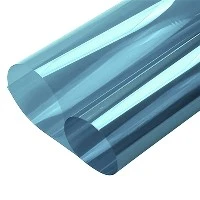
In conclusion, while dental lasers offer transformative benefits in the realm of dentistry, their potent capabilities demand a thorough understanding and strict adherence to safety guidelines. By integrating advanced filtering technology in protective eyewear, employing laser protective plates, and utilizing laser protective films, the risks associated with these powerful tools can be significantly reduced. Through ongoing education, diligent practice, and a commitment to safety, dental professionals can safeguard both themselves and their patients from the potential hazards of laser light, allowing the continued integration of this technology into the evolving landscape of dental care.