



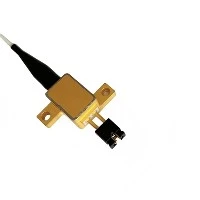
The Alex+YAG laser system combines two distinct laser technologies-Alexandrite (755nm) and Nd:YAG (1064nm/532nm)-to address diverse medical, cosmetic, and industrial needs. The Alexandrite laser primarily targets melanin in the epidermis and superficial dermis, making it ideal for treating pigmented lesions (e.g., freckles, tattoos) through selective photothermolysis. The Nd:YAG laser operates at two wavelengths: 1064nm (deep penetration for vascular lesions and thick tissues) and 532nm (superficial absorption for red pigments and fine capillaries). This dual-wavelength design enables precise energy delivery, minimizing collateral damage while maximizing efficacy. Applications span dermatology (tattoo removal, pigmentation disorders), ophthalmology (glaucoma surgery), dentistry (cavity preparation), and industrial manufacturing (metal cutting, micro-drilling). Safety protocols, including wavelength-specific eyewear and environmental controls, are critical due to the high-energy output and potential hazards.
I. Core Application Fields
Medical and Aesthetic DermatologyPigment Disorders:
755nm (Alex): Effective for deep dermal pigments (e.g., blue/black tattoos, nevus of Ota).
532nm (YAG): Treats superficial pigmentation like freckles and café-au-lait spots.
Vascular Lesions:
1064nm (YAG): Addresses deep vascular anomalies (e.g., port-wine stains).
532nm (YAG): Targets superficial redness (e.g., telangiectasia).
Skin Rejuvenation: Long-pulse YAG modes stimulate collagen for wrinkle reduction.
Industrial Manufacturing
Precision Cutting/Welding: 1064nm YAG lasers enable micron-level accuracy in metal processing (e.g., aerospace components).
Micro-Drilling: Used for turbine blade cooling holes, outperforming mechanical methods in efficiency.
Ophthalmology and Dentistry
Glaucoma Surgery: YAG lasers perform non-invasive iridotomies to reduce intraocular pressure.
Dental Applications: Nd:YAG lasers treat dentin hypersensitivity by sealing tubules and remove caries with minimal thermal damage.

II. Key Safety Measures
Personal Protective Equipment (PPE)
Laser-Specific Eyewear: Must block 755nm, 1064nm, and 532nm wavelengths with OD ≥5.
Protective Clothing: Flame-resistant fabrics to prevent skin burns from scattered light.
Environmental Controls
Controlled Access Zones: Laser areas require warning signs and restricted entry.
Anti-Reflective Surfaces: Matte-finish walls/equipment to minimize stray reflections.
Operational Protocols
Pre-Treatment Checks: Verify optical alignment and cooling system stability.
Emergency Procedures: Immediate power cutoff for accidental exposure or equipment malfunction.

III. Extended Safety Guidelines
Device Maintenance: Regular inspection of closed-loop optical paths to prevent beam leakage. Dual water-cooling systems are recommended to stabilize thermal output.
Skin Protection: Non-target skin areas must be shielded with reflective barriers during procedures.
Fire Prevention: Industrial settings should store flammable materials away from laser zones and install dry-powder fire extinguishers.
IV. Summary
Alex+YAG lasers offer versatile solutions across medical and industrial fields but demand stringent safety practices. Key measures include wavelength-specific PPE, controlled environments, and robust equipment maintenance. Adherence to standardized protocols ensures both operational efficiency and personnel safety.