




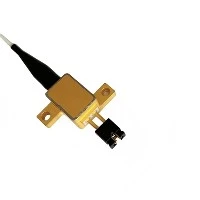
Laser pointers have become common tools for presentations, teaching aids, and even as toys. However, their ability to produce a concentrated beam of light can lead to potential risks if not used properly. It's important to note that while low-power laser pointers are generally safe when used correctly, higher-powered ones can pose significant threats, including eye damage and skin injuries. This news aims to provide a comprehensive guide on laser pointers, their classification, potential dangers, and the necessary protective measures to ensure safe use.
Classification of Laser Pointers
Laser pointers are classified based on their output power, typically measured in milliwatts (mW). Low-power laser pointers range from 1 to 5 mW and are generally considered safe for most uses, as long as they do not directly enter the eye. Medium-power laser pointers range from 5 to 500 mW and can cause eye injuries if not used cautiously. High-power laser pointers exceed 500 mW and can cause severe damage to the eyes and skin even with brief exposure.

Can You Feel a Laser Pointer on Your Skin?
The sensation of feeling a laser pointer on your skin depends on its power output. Low-power pointers are typically not felt, while medium and high-power pointers can cause a noticeable sensation, ranging from a mild warm feeling to a painful burn. It is crucial to treat all laser pointers with caution and respect their potential to cause harm.
Potential Dangers of Laser Pointers
Eye Injuries: The most significant risk associated with laser pointers is retinal damage, which can lead to permanent vision loss or blindness.
Skin Burns: Higher-power laser pointers can cause thermal injuries, leading to reddening, blistering, or even second-degree burns.
Fire Hazards: Laser pointers can ignite flammable materials if focused on them for an extended period, posing a fire risk.
Distracted Driving: Use of laser pointers while driving can distract operators, increasing the likelihood of accidents.
Necessary Protective Measures for Safe Use
Proper Training: Ensure that users understand the basic principles of laser safety, the potential hazards, and the correct way to handle and operate laser pointers.
Appropriate Warning Labels: Laser pointers should be clearly labeled with their power output and potential risks to remind users of the necessary precautions.
Restricted Access: Keep laser pointers out of reach of children and ensure that only trained individuals have access to higher-power devices.
Protective Eyewear: For higher-power laser pointers, consider wearing safety goggles with appropriate optical density to protect the eyes.

Skin Protection: When working with medium to high-power laser pointers, wear fire-resistant clothing and gloves to prevent skin injuries.
Controlled Environment: Operate laser pointers in well-ventilated areas to reduce the risk of fire and ensure there are no flammable materials nearby.
Regulations and Compliance: Adhere to local regulations regarding the use of laser pointers, especially those with higher power outputs.
Emergency Procedures: Be prepared with emergency procedures in case of accidental exposure or injury.
Conclusion
Laser pointers are useful tools but require responsible handling to prevent accidents. By understanding the classification of laser pointers, being aware of their potential dangers, and implementing necessary protective measures, users can significantly reduce the risk of injury. Always remember that prevention is the key to safe use of laser pointers, and education is the best tool to ensure this. Stay informed, stay vigilant, and always prioritize safety when operating these devices.