



Lasers have revolutionized various industries, from medical to manufacturing, owing to their ability to produce highly concentrated beams of light that can cut, shape, or mark materials with precision. However, the power that makes lasers so useful also presents potential hazards, particularly to the eyes, skin, and the environment. This article will discuss the hazards, protective measures, and best practices that ensure safe laser use.
Laser Hazards
Lasers can cause harm in three ways: thermal, photochemical, and mechanical. Thermal damage results from the laser beam's heat, which can cause burns, while photochemical damage results from the laser beam's ability to alter biological tissues' chemical composition, leading to cell damage. Mechanical damage, on the other hand, results from the laser beam's physical force, which can cause structural damage to tissues.
Lasers are classified based on their potential to cause harm, ranging from Class 1 (lowest risk) to Class 4 (highest risk). The classification depends on the maximum permissible exposure (MPE) to the laser beam, which is the maximum amount of laser radiation that can be safely absorbed without causing harm. Factors that determine the MPE include the laser's wavelength, power, and beam diameter, as well as the duration of exposure.

Types of Laser Protection
Several protective measures can minimize the risks associated with laser use, including eye protection, skin protection, and environmental protection.
Eye Protection
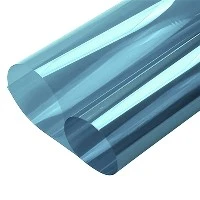
Eye protection is the most critical protective measure, as the eyes are particularly susceptible to laser damage. Laser safety glasses, goggles, or face shields that attenuate (reduce) the laser beam's intensity are the most common forms of eye protection. Attenuation is achieved through filters that only allow specific wavelengths of light to pass, thereby eliminating the hazard.

Skin Protection
Skin protection is necessary when using lasers that emit ultraviolet (UV) or infrared (IR) radiation, as these wavelengths can cause harm to the skin. Clothing, such as long sleeves, gloves, and pants, act as a physical barrier between the skin and the laser beam, thereby minimizing the risk of harm.
Environmental Protection
Environmental protection is necessary to prevent laser-related hazards, such as fire, explosion, and electrical shock, that can cause harm to people and damage to equipment. Enclosures that act as a physical barrier between the laser and the environment, as well as proper electrical and fire safety practices, such as grounding, bonding, and fire suppression systems, are critical protective measures that ensure environmental safety.
Best Practices for Safe Laser Use
Several best practices ensure safe laser use, including:
1. Risk Assessment: Before using a laser, conduct a risk assessment that evaluates the hazards associated with the laser, potential exposure, and the necessary controls to minimize the risk.
2. Training: Ensure that all personnel who will use the laser have received appropriate training, which includes the hazards associated with the laser, the necessary controls to minimize the risk, and the proper use and maintenance of the laser.
3. Personal Protective Equipment (PPE): Ensure that all personnel who will use the laser have access to and use appropriate PPE, such as laser safety glasses, clothing, and enclosures, as required.
4. Operating Procedures: Establish and follow standard operating procedures that define the steps required to safely operate the laser, including the steps required to start, operate, and shut down the laser, as well as prevent accidental exposure to the laser beam and prevent unauthorized access to the laser.
5. Maintenance and Inspection: Establish and follow a regular maintenance and inspection schedule for the laser and its components, including the laser source, power supplies, cooling systems, and optics, to ensure that the laser is in good working condition.
6. Emergency Procedures: Establish and communicate emergency procedures that define the steps required to respond to laser-related emergencies, such as eye injuries, fires, and electrical shocks.
7. Record-Keeping: Establish and maintain records of laser-related activities, including training records, maintenance records, and incident reports, to ensure that the necessary documentation is available for future reference.
FAQs
1. What is laser protection?
Laser protection refers to measures taken to prevent eye, skin, and environmental hazards associated with laser use.
2. How do laser safety glasses work?
Laser safety glasses work by filtering out specific wavelengths of laser light, reducing its intensity,