



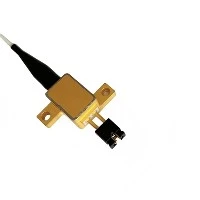
Laser Welding is a modern welding method that uses a high-energy laser beam to connect materials. It is becoming increasingly popular in the manufacturing industry for its high precision, high efficiency, small heat-affected zone and repeatability.
Power is one of the key parameters in laser welding, which directly affects the heat input of the welding process, and thus affects the formation and quality of the weld. Generally speaking, the greater the power, the higher the energy density of the laser beam, and the thicker or higher melting point materials can be welded. However, too high a power may cause the material to overheat, deform, or burn through, while too low a power may result in a weak weld, uneven weld depth, or even failure to form an effective weld. Therefore, according to different material types, thicknesses, and the required welding speed and quality requirements, correctly selecting and adjusting the power of the laser welding machine is crucial to achieving the desired welding effect.

Power selection basis:
1. Material thickness and type
Differences in laser power requirements for different materials: Different materials have different requirements for laser power due to their different thermal conductivity, reflectivity and melting point. For example, highly reflective metals such as copper and aluminum require higher power to achieve good welding results.
General correspondence between material thickness and required power: Generally speaking, as the thickness of the material increases, higher power is required to melt the material and form a weld. For example, a thinner metal sheet may only require a few tens of watts of power, while a thick metal plate may require several kilowatts.
2. Welding speed requirements
Power requirements for high-speed welding: High-speed welding usually requires higher power to ensure that there is still enough energy input to melt the material during rapid movement.
Power adjustment for low-speed precision welding: For welding tasks that require precision, lower power settings are usually used to reduce the heat-affected zone and improve weld quality.
3. Weld form and quality standard
Type of weld and its specific power requirements: Different types of welds (such as butt joints, fillet joints, surfacing, etc.) have specific power requirements to ensure that the weld is uniform and meets design requirements.
Quality standards (such as air tightness, mechanical properties) and power selection: According to the quality standards that the welded parts need to meet, such as air tightness or specific mechanical properties, choosing the appropriate power is the key. Too high or too low power may affect the welding results and fail to meet the technical specifications.
Application scenarios of laser welding machines with different powers:
1. Application of low-power laser welding machines
Applicable fields and materials: Low-power laser welding machines are often used for the processing of precision parts, such as electronic components, jewelry, small medical devices, etc. These applications usually involve fine welding of thin metal sheets or small components.
Typical industry cases: In the mobile phone manufacturing industry, low-power laser welding machines are used to weld the connection points of batteries and circuit boards, as well as small metal parts in assembly.
2. Application of medium-power laser welding machines
Applicable fields and materials: Medium-power laser welding machines are suitable for a wider range of industrial applications, including automobile manufacturing, machinery manufacturing, and the processing of medium-thickness metal sheets. They are able to handle thicker materials while maintaining high welding speeds and quality.
Typical industry cases: In automobile manufacturing, medium-power laser welding machines are often used to weld body structural parts, chassis components and other key parts, providing fast and strong welds.
3. Application of high-power laser welding machines
Applicable fields and materials: High-power laser welding machines are mainly used in heavy industrial fields such as shipbuilding, steel structure construction and heavy equipment manufacturing. These machines are able to weld thick steel plates and other high-strength materials.
Typical industry case: In the shipbuilding industry, high-power laser welding machines are used to weld hull plate seams to ensure the waterproofness and structural strength of the ship.
Practical tips for selecting laser welding machine power:
1. Evaluate product and production requirements
Clear the nature and objectives of the welding task: When selecting the appropriate laser welding machine power, you must first analyze the welding requirements of the product in detail, including the material type and thickness of the welding object and the expected welding quality standard. For example, the production of precision medical devices and the welding of large steel structures have completely different power requirements.
Consider the balance between production efficiency and cost: The power selection of the laser welding machine not only affects the initial investment, but also affects long-term operating costs, such as energy consumption and maintenance costs. Reasonable power selection can ensure the best balance between production efficiency and cost.
2. Consult professionals and equipment suppliers
Get technical support and solutions: When selecting the power of the laser welding machine, it is extremely important to have in-depth communication with equipment suppliers or technical experts. They can provide practical experience based on similar application cases to help choose the most suitable power size.
Conduct field testing and verification: Both theoretical analysis and expert advice need to be verified through testing in actual production environments. Using prototypes for field welding tests can intuitively evaluate the actual performance under different power settings to ensure that the final selected laser welding machine can fully meet production needs.
The power selection of laser welding machines is of vital importance to ensure production quality, efficiency and cost control. The right power can provide the right penetration depth and weld quality for different materials and thicknesses, which directly affects the reliability and performance of the product. Reasonable selection of laser welding machines can not only meet current production needs, but also reduce energy consumption and maintenance costs in the long run, and enhance the competitiveness of enterprises in the market. JTBYShield has a professional technical team and rich industry experience, and can provide you with comprehensive technical support and selection suggestions to help you choose the most suitable laser welding solution to achieve the best production efficiency and product quality, and promote the sustainable development of the enterprise.
Contact information:
If you have any ideas, feel free to talk to us. No matter where our customers are and what our requirements are, we will follow our goal to provide our customers with high quality, low prices, and the best service.
 Email:info@loshield.com
 Tel:0086-18092277517
 Fax: 86-29-81323155
 Wechat:0086-18092277517


