


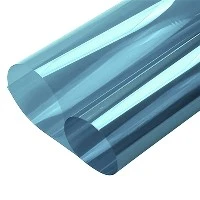

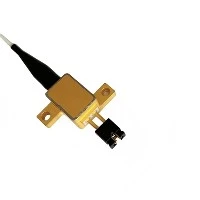
Privacy concerns have escalated significantly in recent years, fueled by advancements in technology that have made eavesdropping and surveillance more sophisticated than ever before. In response to these challenges, various countermeasures have emerged, including the use of specialized films like the 1064nm OD3+ laser protective film. This article aims to explore the effectiveness of this technology in thwarting eavesdropping attempts and to shed light on its operational principles.
Understanding 1064nm OD3+ Laser Protective Film
1064nm OD3+ laser protective film is engineered to shield against infrared light at the specific wavelength of 1064 nanometers, a frequency often utilized in advanced eavesdropping and surveillance devices. The term 'OD3+' refers to the optical density of the film, indicating its capacity to absorb light. An OD3 rating translates to a blockage of at least 99.9% of infrared light, providing a formidable defense against prying eyes and ears.
 |
 |
How It Works
The film functions by absorbing and scattering incoming infrared light, thereby preventing it from penetrating the surface it protects. This mechanism ensures that devices designed to intercept audio or visual information via infrared wavelengths are rendered ineffective. Importantly, this film does not interfere with the visible light spectrum, ensuring that it does not obstruct regular visibility or impact lighting conditions within a space.
Limitations and Considerations
While the 1064nm OD3+ laser protective film offers robust protection against infrared-based eavesdropping, it is not a universal solution for all surveillance methods. Other surveillance technologies, such as RF (radio frequency) bugs, ultrasonic listening devices, or visual cameras operating outside the infrared spectrum, would not be deterred by this film alone. It is imperative to implement a multi-layered security approach that includes physical barriers, electronic countermeasures, and secure communication protocols.

Integration with Other Security Measures
To achieve comprehensive privacy protection, the use of 1064nm OD3+ laser protective film should be complemented by additional security strategies:
Physical Security Enhancements: Install secure locks, motion detectors, and access control systems to limit unauthorized entry.
Electronic Countermeasures: Deploy devices that can detect and disrupt RF signals and ultrasonic frequencies to prevent remote eavesdropping.
Secure Communication Protocols: Use encrypted communication channels for digital and voice communications to prevent interception.
Regular Security Audits: Conduct periodic assessments to identify vulnerabilities and update security measures accordingly.
Conclusion
In summary, 1064nm OD3+ laser protective film serves as an effective barrier against infrared eavesdropping, thanks to its high optical density that absorbs and scatters infrared light. However, it is crucial to acknowledge that this film is just one component of a broader security strategy. By integrating multiple layers of protection, individuals and organizations can enhance their defenses against the myriad forms of surveillance and safeguard their privacy in an increasingly monitored world. Regular updates and reviews of security measures are essential to stay ahead of evolving threats.