


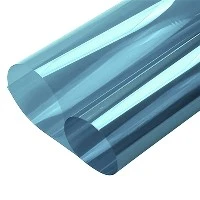

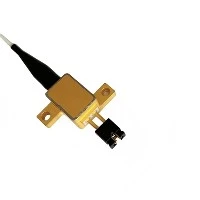
The 585nm laser is a potent tool with a wavelength lying within the yellow part of the light spectrum. This specific wavelength is particularly absorbed by hemoglobin in the blood, rendering it highly effective for various medical, cosmetic, and industrial applications. Over recent years, innovations in laser technology have expanded the scope and utility of the 585nm laser, enabling its use in diverse industries such as dermatology, dentistry, ophthalmology, and manufacturing.
Applications of 585nm Laser
1. Dermatology
a. Vascular Lesions Treatment
One of the primary uses of the 585nm laser is in the treatment of vascular lesions, such as spider veins, port-wine stains, and rosacea. The laser's wavelength is optimally absorbed by the oxyhemoglobin in blood vessels, resulting in effective coagulation of blood vessels with minimal damage to surrounding tissues.
b. Skin Rejuvenation
The 585nm laser can also stimulate collagen production, which is essential for skin rejuvenation. It is used in procedures to smooth fine lines, improve skin texture, and reduce the appearance of scars.
c. Pigmentation Treatment
Hyperpigmentation conditions such as melasma, age spots, and sun damage can be managed using the 585nm laser. Its ability to target melanin without damaging the surrounding skin makes it an ideal solution for correcting uneven skin tones.
d. Acne Treatment
The 585nm laser is utilized in the treatment of inflammatory acne. Its wavelength can reduce the activity of sebaceous glands and kill acne-causing bacteria, leading to a significant improvement in skin condition.

2. Dentistry
a. Soft Tissue Procedures
In dentistry, 585nm lasers are used for soft tissue procedures such as gum reshaping, treating gum disease, and removing benign oral tumors. The laser's precision reduces the risk of damage to surrounding tissues and promotes faster healing.
b. Tooth Whitening
The 585nm laser is also employed in tooth-whitening procedures. It activates the bleaching agents used in tooth whitening, thus enhancing their efficacy and reducing the time required for treatment.
3. Ophthalmology
a. Retinal Treatments
The 585nm laser finds application in ophthalmology, particularly in the treatment of retinal diseases. It is used for procedures such as photocoagulation to treat conditions like diabetic retinopathy and retinal vein occlusion.
b. Treating Choroidal Neovascularization
For patients with age-related macular degeneration, the 585nm laser can treat choroidal neovascularization, which is the growth of blood vessels beneath the retina. The precision of the laser helps to reduce abnormal blood vessel growth without harming the surrounding retinal tissue.
4. Manufacturing and Industrial Applications
a. Microfabrication
The 585nm laser is used in the microfabrication industry for precision cutting and structuring of materials. Its specific wavelength allows for high accuracy, making it ideal for creating intricate components in electronics and medical devices.
b. Quality Control
The 585nm laser can be employed in quality control processes, including surface inspection and flaw detection in various materials. The laser's ability to detect minute imperfections helps maintain high standards in manufacturing.
5. Beauty and Aesthetic Industry
a. Hair Removal
Although traditional wavelengths like 755nm (Alexandrite) and 1064nm (Nd:YAG) are more common, the 585nm laser can also be utilized for hair removal, particularly for individuals with fair skin and light hair.
b. Tattoo Removal
The 585nm laser is effective in breaking down specific tattoo pigments, particularly red, orange, and some yellow pigments. Its precision and reduced risk of causing hypopigmentation make it a valuable tool in tattoo removal procedures.

Protection Measures for 585nm Laser Use
1. User Safety and Training
Any professional operating a 585nm laser must undergo comprehensive training. This training includes understanding the laser's mechanisms, handling emergency situations, and recognizing potential hazards.
a. Certified Training Programs
Institutions often offer certified training programs for laser safety. These programs are designed to provide the necessary knowledge and skills required for safe and effective laser use.
b. Hands-On Training
In addition to theoretical knowledge, hands-on training is essential. This includes supervised practice sessions to ensure operators are comfortable and competent in using the laser equipment.
2. Protective Equipment
a. Eye Protection
Given the intense light emitted by a 585nm laser, protective eyewear is paramount. Lasers can cause serious damage to the eyes, including permanent blindness.
i. Laser Safety Goggles
Operators and patients must wear wavelength-specific laser safety goggles that block or absorb the 585nm wavelength. These goggles should meet the appropriate safety standards and provide a clear indication of the level of protection offered.

b. Skin Protection
Direct exposure to laser beams can lead to severe skin burns or damage. Therefore, special attention must be paid to protecting both operators and patients.
i. Laser Barriers
Laser barriers composed of suitable materials can shield areas of the skin not being treated. These barriers prevent accidental exposure and scattering of laser beams.
ii. Protective Drapes
During medical or cosmetic procedures, protective drapes can be placed on areas surrounding the treatment site to minimize the risk of unintended laser exposure.
c. Respiratory Protection
Vaporized tissue (laser plume) generated during dermatological treatments can pose a respiratory hazard, as it may contain harmful microorganisms or toxic substances.
i. Smoke Evacuators
High-efficiency smoke evacuators or suction devices should be used to remove laser plumes from the immediate treatment area. These devices reduce the risk of inhalation and keep the workspace clean.
ii. Face Masks
In settings where smoke evacuators may not sufficiently control plumes, operators should use masks capable of filtering fine particles and microorganisms.
3. Equipment Safety
Ensuring the laser equipment is maintained and used correctly is essential for consistent performance and safety.
a. Regular Maintenance
Routine maintenance and calibration of laser devices ensure their optimal operation and longevity. Regular maintenance checks can prevent malfunctions that might pose risks to both operators and patients.
i. Manufacturer Guidelines
Adhering to the manufacturer's maintenance and service guidelines is vital for keeping equipment in optimal condition.
ii. Professional Servicing
Periodic professional servicing, often provided by the equipment manufacturer or certified technicians, ensures that the laser systems are performing correctly and safely.
b. Environmental Controls
The environment in which the laser is used must be controlled to ensure safety and efficacy.
i. Appropriate Shielding
Operating rooms and treatment areas should be designed with appropriate shielding to prevent laser beams from escaping the immediate vicinity. This includes the use of laser-safe windows and door interlocks to ensure laser operation ceases if entrance doors are opened.
ii. Warning Signs
Warning signs indicating laser use should be clearly posted around treatment and operating areas to alert personnel of potential hazards.
4. Emergency Protocols
Developing and implementing emergency protocols is crucial to handle any unforeseen events effectively.
a. Emergency Shutdown Procedures
A clearly defined and easily accessible emergency shutdown procedure should be in place. This may involve a fail-safe switch that instantly ceases laser operation to prevent harm during emergencies.
b. First Aid and Medical Response
Personnel must be trained in first aid procedures specific to laser injuries, including eye and skin exposure. Rapid and appropriate medical response can mitigate the severity of injuries.

Innovations and Future Applications
Beyond the current uses, ongoing research continues to uncover new potential applications for 585nm lasers. Innovations in laser engineering, coupled with a deeper understanding of laser-tissue interactions, are likely to expand the versatility of this tool.
1. Enhanced Drug Delivery
Researchers are exploring the potential of 585nm lasers to enhance transdermal drug delivery. By creating micro-channels in the skin, lasers can improve the absorption of therapeutic compounds, offering a non-invasive alternative to injections.
2. Advanced Imaging Techniques
585nm lasers could play a role in advanced imaging techniques, including photoacoustic imaging, where laser-induced ultrasound waves create high-resolution images of tissues. This is particularly promising in medical diagnostics and detailed tissue characterization.
3. Optical Biopsy
The precision and specificity of 585nm lasers could enable the development of optical biopsy techniques, where tissue analysis is performed with minimal invasiveness. These techniques could revolutionize the diagnosis process, reducing the need for traditional biopsies.
Conclusion
The 585nm laser represents a leap forward in technology, providing numerous benefits across varied fields, from dermatology and dentistry to ophthalmology and industrial manufacturing. Its unique wavelength allows for precise targeting and treatment of specific tissues, minimizing collateral damage and improving patient outcomes.
However, the benefits of 585nm lasers come with significant responsibilities for safe usage. Proper training, protective measures, equipment maintenance, and emergency protocols are essential components of a comprehensive safety strategy. By adhering to these measures, professionals can ensure the safe and effective use of 585nm lasers, unlocking their full potential while protecting themselves and their patients from potential hazards.
The future of 585nm lasers is bright, with ongoing research likely to unveil even more innovative applications. As technology advances, these lasers will continue to transform industries, offering new solutions to old problems and improving the quality of life for countless individuals.