


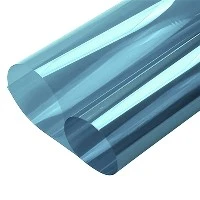

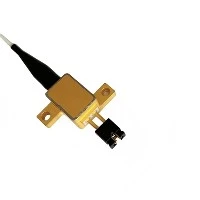
2940nm laser is a solid laser in the mid-infrared band. Its wavelength is highly matched with the absorption peak of water, so it has unique advantages in the medical, beauty and industrial fields. However, its high energy characteristics also bring potential light radiation hazards, especially the risk of damage to the skin and eyes. Protective clothing or laser safety glasses should be worn during laser operation.
Industry applications of 2940nm laser
1. Medical field
The application of 2940nm laser in the medical field is mainly based on its efficient water absorption characteristics, which can achieve precise tissue ablation and thermal damage control.
Dermatological treatment:
2940nm laser is widely used to treat scars, pigmentation and vascular lesions. Its high water absorption characteristics can achieve precise vaporization, reduce thermal damage, stimulate collagen regeneration, and promote skin repair. For example, in scar treatment, laser can accurately remove diseased tissue through selective photothermal action, while retaining the surrounding healthy skin, significantly reducing postoperative complications.
Dental application:
In the field of dentistry, 2940nm laser is used for hard tissue cutting and caries removal. Its high-efficiency ablation properties enable precise removal of carious tissue while reducing damage to healthy enamel. In addition, lasers are also widely used in periodontal treatments, such as gingival shaping and periodontal pocket disinfection, significantly improving treatment outcomes and patient comfort.
Ophthalmic surgery:
In corneal refractive surgery, 2940nm lasers can achieve micron-level tissue cutting for correction of myopia, hyperopia, and astigmatism. Its high precision and low thermal damage properties make it an ideal tool for ophthalmic surgery, significantly improving surgical safety and patient satisfaction.

2. Beauty industry
The application of 2940nm lasers in the beauty industry is mainly based on its selective photothermal effect and high-efficiency tissue ablation properties.
Freckle removal and skin rejuvenation:
Through selective photothermal effects, 2940nm lasers can effectively remove epidermal spots and stimulate collagen regeneration to achieve skin rejuvenation effects. Its high precision and low thermal damage properties make it the preferred method for treating skin problems such as pigmentation, age spots, and solar lentigo.
Hair removal:
The wavelength of 2940nm laser can penetrate deep into hair follicles, destroy hair papilla, and achieve long-lasting hair removal effect. Its high energy and precise focusing characteristics make it excellent in hair removal treatment, significantly reducing the number of treatments and patient discomfort.

3. Industrial manufacturing
The application of 2940nm laser in industrial manufacturing is mainly based on its efficient ablation characteristics and environmental advantages.
Precision machining:
It is used to cut and engrave polymer materials (such as plastics and rubber) because of its efficient ablation characteristics for organic materials. In the manufacture of microelectronics and optical devices, 2940nm laser can achieve high-precision processing, significantly improving production efficiency and product quality.
Surface treatment:
In metal surface cleaning and coating removal, 2940nm laser can achieve environmentally friendly treatment without chemical residue. Its efficient energy conversion and precise control characteristics make it excellent in the field of surface treatment, and it is widely used in industries such as aerospace and automobile manufacturing.
Analysis of the hazards of 2940nm laser
1. Eye damage
2940nm laser belongs to the mid-infrared band and can be strongly absorbed by the cornea and lens, causing acute or chronic damage such as corneal burns and cataracts. Looking directly at the laser beam or contacting scattered light may cause serious visual impairment and require strict protection.
2. Skin damage
High-energy laser irradiation may cause epidermal erythema, blisters and even deep tissue necrosis, especially when operated for a long time or at close range. Skin exposure to laser radiation may cause thermal damage and photochemical damage, and effective protective measures must be taken.
3. Environmental risks
Smoke hazards: The smoke generated when laser vaporizes tissues or materials may contain harmful substances, and a smoke exhaust system must be equipped to reduce exposure risks.
Fire risk: High-energy lasers may ignite flammable materials, and fire extinguishing equipment must be installed in the operating area, and laser power and irradiation time must be strictly controlled.

Protective measures for 2940nm laser
1. Personal protection
Eye protection: Wear protective glasses designed for the mid-infrared band. The optical density (OD value) needs to be selected according to the laser power, such as OD4+ for high-power systems.
Skin protection: Operators need to wear protective clothing to avoid direct laser exposure to the skin, especially during high-energy operations.
2. Environmental protection
Smoke exhaust system: In medical and industrial operations, high-efficiency smoke exhaust equipment must be equipped to reduce smoke exposure.
Optical path shielding: Use a visor or closed optical path design to prevent accidental scattering of the laser and ensure a safe operating environment.
3. Operating specifications
Training and qualifications: Operators need to receive professional training, be familiar with laser safety standards and emergency response procedures, and ensure operating specifications.
Equipment maintenance: Regularly test the performance of laser equipment to ensure that the output power and beam quality meet safety requirements and reduce the risk of failure.

Summarize
Due to its unique wavelength characteristics, the 2940nm laser has shown broad application prospects in the medical, beauty and industrial fields. However, its potential optical radiation hazards require strict safety management:
Graded protection: Select corresponding protection measures according to laser power and application scenarios, such as the medical field needs to focus on protecting against smoke and scattered light.
System management: Establish a safety training system, regularly test the performance of protective equipment, and ensure that the operating environment meets international standards (such as IEC 60825-1).
Technological innovation: In the future, new technologies will further improve industry safety.