



Laser welding has become a crucial technology in numerous industrial applications, offering precision, speed, and efficiency. Among the various types of laser welding machines, the 1080nm tri-mode laser welding machine stands out for its versatility and adaptability to different materials and welding needs. However, with the high-energy laser beams involved, it is essential to ensure the safety of personnel and equipment. This document provides an overview of the 1080nm tri-mode laser welding machine, including its working principle, safety considerations, and the selection of appropriate protective equipment.
Working Principle of a 1080nm Tri-Mode Laser Welding Machine
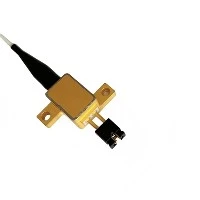
The 1080nm tri-mode laser welding machine utilizes laser beams generated by a laser source. These laser beams, after being focused by an optical system, create a concentrated, high-energy spot on the workpiece. The energy from the laser is absorbed by the metal, causing it to heat up rapidly and melt at the point of contact. By precisely controlling the parameters of the laser beam, welding speed, and welding path, the welding process can be accurately managed.

Selection of Laser Safety Shields and Protective Eyewear
Laser Safety Shields:
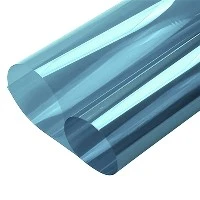
A. The first consideration is the wavelength of the laser being used. For 1080nm lasers, select a safety shield that effectively blocks this wavelength.
B. Next, consider the optical density (OD) rating and durability of the shield, ensuring it can withstand prolonged exposure to the laser.
C. Finally, choose a shield with the appropriate size and mounting method for your laser welding machine.

Protective Eyewear:
A. Protective eyewear should be chosen based on the laser wavelength, OD rating, and level of comfort.
B. For 1080nm lasers, select eyewear that blocks this wavelength as well as any harmonics that may be produced.
C. Consider the OD rating based on the laser's power and the level of protection needed.
D. Ensure the eyewear has high optical clarity and is comfortable to wear for extended periods.

Design of a Laser Welding Machine: Principles, Mechanisms, and Safety Measures
Principles:
The laser welding machine relies on the focused laser beam to heat and melt the workpiece. It involves precise control of the laser beam's parameters, focus, and movement to achieve the desired weld.
Mechanisms:
The machine comprises a laser source, optical system, mechanical frame, and control system. The laser source generates the laser beam, the optical system focuses it, the mechanical frame positions and moves the workpiece, and the control system oversees the entire process.
A. Eye Protection: Provide protective eyewear to all personnel in the vicinity of the laser welding machine. Ensure the eyewear is appropriate for the laser's wavelength and power.
B. Skin Protection: Personnel should wear protective clothing that covers exposed skin, including long pants, sleeves, and gloves.
C. Respiratory Protection: Ensure good ventilation in the workspace and provide respiratory masks if necessary.
D. Fire and Explosion Prevention: Install fire extinguishers and other safety equipment. Implement safety procedures to prevent accidents and minimize the risk of fire or explosion.
E. Environmental Control: Manage noise, vibration, and electromagnetic emissions to ensure a safe and comfortable working environment.
Conclusion
As the technology of laser welding continues to evolve, it is crucial to understand the fundamental principles and safety measures involved. With the 1080nm tri-mode laser welding machine, precise welding operations are possible with careful selection of safety equipment and adherence to safety protocols. By implementing the necessary measures to protect personnel and equipment, we can ensure that the laser welding process remains a safe and efficient solution for various industrial applications.